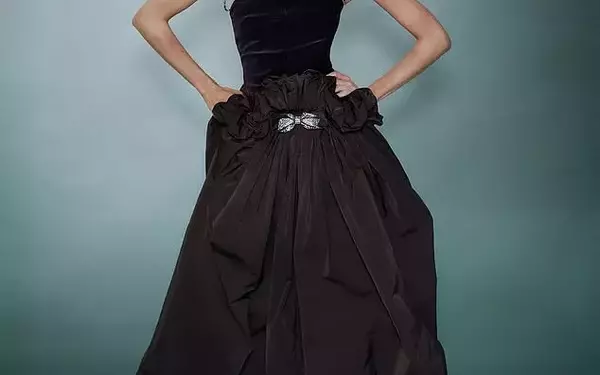
The upcoming 2026 season of Strictly Come Dancing is set to deliver a spectacular experience, with its celebrity participants shimmering in sequins and glitter, ready to captivate audiences when the reimagined show premieres on September 19th. The BBC program has just released initial glimpses of the contestants adorned in their exquisite dance attire.
Among those leading the stunning transformations is Dani Dyer, 30, making a comeback after an injury forced her withdrawal from the previous year's competition. She radiates in a purple-fringed dress, complemented by a generous application of self-tanner. Lacey Turner, 31, a familiar face from EastEnders, sports a matching orange version of the dress, while Australian singer Delta Goodrem, 41, glows in gold. Perhaps the most dramatic change is seen in Gavin & Stacey icon Melanie Walters, 64, who has swapped her character Gwen's signature floral aprons for a striking metallic, low-cut gown and high heels. The male contestants, including Big Brother host Will Best, 41, and Kim Kardashian's stylist Chris Appleton, 43, are equally polished in red and purple satin, with a few buttons undone to highlight their bronzed complexions.
This 24th series of Strictly Come Dancing features a significant overhaul. Long-standing presenters Claudia Winkleman and Tess Daly announced their departure last year, paving the way for a fresh era. Following months of speculation, Emma Willis, comedian Josh Widdicombe, and professional dancer Johannes Radebe were revealed as the new hosting trio. They recently discussed the new presenting dynamic, acknowledging that a three-person format was an unconventional choice for producers. The show is deliberately targeting social media influencers in its casting strategy, a move criticized by some long-time fans who miss the traditional 'household names.' This approach aims to draw in a younger demographic, mirroring the successful tactics of its American counterpart, Dancing With The Stars, which has seen a surge in engagement from younger viewers through initiatives like 'TikTok Night.' This strategic shift extends to the professional dancers, with those boasting larger online followings seemingly favored, as exemplified by Dianne Buswell's retention compared to Nadiya Bychkova's departure, and the recruitment of new pros with strong TikTok presences. The new hosts themselves possess considerable online followings, reinforcing the BBC's concerted effort to rejuvenate the show's appeal.
The evolution of television entertainment is profoundly shaped by societal changes and technological advancements. As traditional media faces increasing competition from digital platforms, adapting to new viewing habits and audience demographics becomes paramount. While some purists may lament the shift from established celebrity norms, the integration of social media personalities and innovative formats represents a dynamic response to the contemporary media landscape. This strategic pivot highlights a broader industry trend where reach and engagement on digital platforms are as crucial as traditional viewership. Embracing such changes can ensure the longevity and relevance of beloved programs, fostering a vibrant and evolving entertainment ecosystem that continues to inspire and connect with diverse audiences.