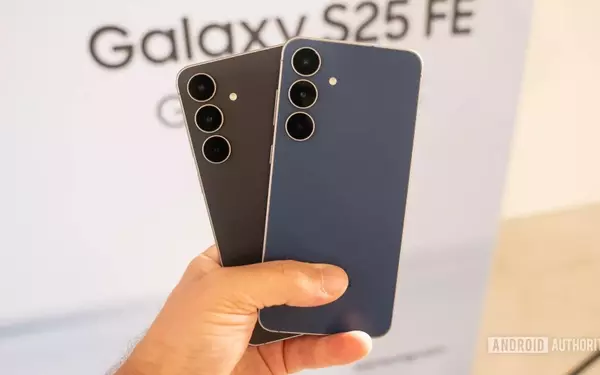
The tech industry is grappling with a significant memory scarcity, a situation Samsung executives anticipate will continue until at least 2028. This outlook spells potential price hikes for a wide array of electronic gadgets, from mobile phones to portable gaming consoles, as the burgeoning demand from artificial intelligence sectors shows no signs of abating. Despite efforts by major manufacturers to ramp up production, the complex and time-consuming nature of semiconductor fabrication means a quick resolution is unlikely, perpetuating a challenging environment for consumers and manufacturers alike.
Global Memory Crisis: Samsung's Dire Forecast Extends to 2028
In a recent earnings disclosure on July 30, 2026, electronics giant Samsung delivered a sobering assessment regarding the persistent global shortage of Random Access Memory (RAM). Speaking during their quarterly earnings call, company executives revealed that the ongoing memory crunch, primarily fueled by an insatiable demand from artificial intelligence enterprises, is projected to endure well into 2028. This forecast suggests that consumers planning to acquire new smartphones or other electronic devices in the coming years may face elevated prices.
The current deficit is so profound that unmet orders from 2026 are expected to carry over, further straining the already tight supply in 2027. This rollover effect will inevitably impact the availability and pricing of new product releases, as manufacturers prioritize fulfilling existing commitments. Samsung, a pivotal player in the global RAM market, alongside SK Hynix and Micron, collectively commands approximately 75% of the world's memory supply. Therefore, their cautious outlook holds significant weight for the entire technology ecosystem.
Despite recent reports indicating Samsung's strategic move to boost its memory output by nearly 15%—driven by substantial orders from major clients like Apple—the company's leadership highlighted the inherent delays in increasing production capacity. They underscored that the period from the commencement of fabrication plant construction to the initiation of actual mass production frequently exceeds three years. Consequently, any substantial increase in supply would necessitate a considerable timeframe, making a significant surge in incremental memory availability before 2028 improbable.
Interestingly, while Samsung's mobile division recorded an unprecedented quarterly loss due to "elevated component cost pressures," its semiconductor arm reported a robust operating profit of approximately 89.2 trillion won (around $61.7 billion). This dichotomy illustrates the immense profitability of memory components even amidst broader industry challenges. Although the company did not offer projections beyond 2029, there is a collective hope within the industry that the escalating demand from the AI boom will eventually stabilize, allowing RAM prices and availability to return to a more predictable state.
This prolonged RAM shortage underscores the delicate balance between technological innovation and supply chain resilience. As AI continues to evolve and integrate into more aspects of daily life, the demand for high-performance memory will only intensify. This situation prompts reflection on the need for diversified manufacturing capabilities and more agile supply chain strategies to mitigate future bottlenecks. For consumers, it’s a stark reminder that the cost of cutting-edge technology is not solely dictated by innovation, but also by the complex interplay of global supply and demand dynamics, potentially influencing purchasing decisions for years to come.