Apple has recently unveiled a significant shift in its product acquisition strategy with the introduction of its "Upgrade" program, a hardware-as-a-service model designed to offer high-end devices like iPhones, iPads, and Macs through manageable monthly payments. This initiative marks a departure from the conventional lump-sum purchase, allowing consumers to lease devices and upgrade regularly, thus addressing the increasing financial burden of premium gadgets. This development underscores a broader change in consumer behavior, where financial liquidity and predictable expenses are gaining precedence over outright ownership of rapidly depreciating assets. The article emphasizes the critical need for Android manufacturers, particularly Google and Samsung, to embrace similar leasing options to compete effectively and retain their customer base in an evolving market.
For decades, the tech industry operated on a simple cycle: buy a phone, use it for a couple of years, and then trade it in for a new model. However, this formula has become increasingly complex. The cost of flagship smartphones has soared past the four-figure mark, driven by advanced AI chips, sophisticated camera technology, and supply chain pressures. This makes it challenging for consumers to justify spending $1,000 to $1,500 every few years, especially when year-over-year innovations often feel incremental rather than revolutionary, and economic uncertainties persist. Moreover, smartphones are inherently depreciating assets. After a few years of daily use, batteries degrade, physical wear and tear becomes evident, and trade-in values decline. While extended software support from companies like Google and Samsung is commendable for device longevity, the physical realities often mean enthusiasts seek upgrades much sooner.
The traditional model also ties up a considerable amount of personal capital in an asset that continuously loses value. Many consumers, even affluent ones, are increasingly opting for interest-free monthly installment plans to preserve their financial liquidity. Apple's new program formalizes this trend, offering a direct, transparent leasing option that removes the hassle of carrier lock-ins and complex trade-in negotiations. This program enables users to access the latest iPhone for a fixed monthly fee, maintain their financial reserves, and seamlessly transition to newer models when their lease term concludes. A key advantage is its carrier independence; while initial activation with major carriers is required, the devices remain unlocked, offering users the freedom to switch networks or use international eSIMs without restrictions. Apple also simplifies trade-ins by applying the value of an old device as a reduction to monthly lease payments, making upgrades more affordable and convenient, even if it might slightly undercut potential private sale values. This model extends beyond smartphones, proving particularly beneficial for high-end Macs, where upfront costs of $3,000-$5,000 for professionals can be prohibitive. Leasing transforms this into a manageable monthly expense, ensuring users always have access to the latest, most powerful hardware to keep pace with rapid advancements in silicon and AI.
Despite its revolutionary approach, Apple's Upgrade program has certain limitations. A significant change from its predecessor is the unbundling of hardware protection; AppleCare Plus is now an optional add-on, placing the responsibility for device maintenance directly on the consumer. This could lead to substantial out-of-pocket expenses for damage, potentially increasing the overall cost of the lease. Furthermore, the program offers less flexibility for those who frequently switch devices or wish to end their term early. Early termination requires paying the remaining lease balance, which may not be ideal for users who prefer fluid device changes. The fundamental concept of leasing versus ownership also presents a philosophical challenge for some. While there's an option to purchase the device at the end of the lease, the program is primarily designed for continuous upgrades, implicitly pushing users into a perpetual cycle of device replacement rather than long-term ownership.
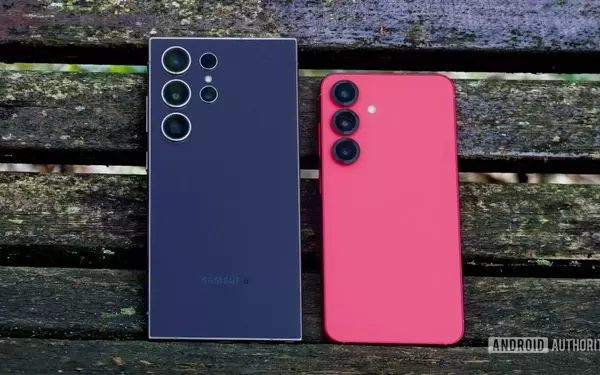
For Android manufacturers, particularly Google and Samsung, developing their own first-party leasing programs is not merely about matching Apple but addressing a distinct market challenge: rapid depreciation of resale value. Historically, Android devices tend to lose market value significantly faster than iPhones. A leasing program could counteract this by offering a predictable and fair return value, removing the volatility of the resale market from the consumer's concern. This predictability, combined with fixed monthly payments, simplifies the upgrade decision. Moreover, as Android flagships incorporate increasingly expensive innovations like foldable displays and advanced camera systems, a leasing option could lower the entry barrier, making these premium devices more accessible. It would also provide a clear upgrade path, alleviating concerns about long-term durability issues, such as screen wear or hinge reliability, associated with cutting-edge technologies. Ultimately, Apple is not just selling phones but creating a "Hardware-as-a-Service" ecosystem, where devices are utility bills rather than one-time purchases. If Android manufacturers fail to establish similar programs, they risk losing a significant share of the premium hardware market and allowing Apple to solidify an almost insurmountable ecosystem lock-in, making it difficult for consumers to switch platforms due to the integrated services and predictable monthly expenses. Therefore, embracing leasing is not just an option but a necessity for Android's future competitiveness.