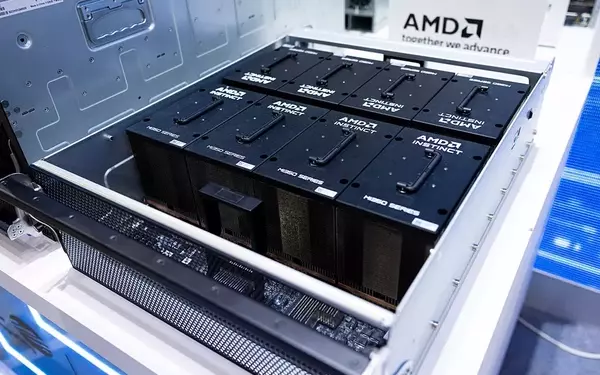
In a landmark collaboration, OpenAI and AMD have formalized a multi-billion dollar agreement, cementing AMD's role as a pivotal provider of computational resources for OpenAI's advanced generative AI models. This strategic alliance will see AMD furnishing six gigawatts of compute power, with the initial deployment of its Instinct MI450 GPUs slated for the latter half of 2026. This move not only underscores OpenAI's commitment to diversifying its infrastructure but also significantly bolsters AMD's competitive standing in the rapidly expanding artificial intelligence hardware sector.
This partnership is poised to redefine market dynamics and foster a more competitive environment for AI hardware. The deal includes a progressive equity stake for OpenAI in AMD, contingent on the achievement of specific performance milestones over the next five years. This arrangement is widely viewed as a shrewd move by OpenAI to avoid over-reliance on a single supplier, a strategy echoed by industry analysts who anticipate further diversification efforts from the AI giant. For AMD, this collaboration represents a monumental triumph, elevating its status as a credible and formidable alternative to Nvidia, a dominant force in the GPU market for generative AI. Analysts project that this partnership will not only secure a substantial revenue stream for AMD but also enhance its credibility among investors and potential clients, stimulating healthy competition within the industry.
While the agreement promises mutual benefits, it also highlights potential challenges and implications for the broader AI landscape. The increased competition ignited by such large-scale deals could lead to more favorable pricing for other AI vendors seeking infrastructure services. However, it might also exacerbate chip scarcity, potentially putting smaller AI companies at a disadvantage as major players secure vast computational capacities. Moreover, OpenAI's substantial investments in hardware, despite ongoing revenue challenges in the enterprise AI market, suggest a high-stakes gamble on the future profitability of its models. The industry watches keenly, aware that a market downturn could have widespread repercussions for all involved.
This forward-looking partnership between OpenAI and AMD exemplifies the relentless pursuit of innovation and the strategic foresight necessary to navigate the complexities of the burgeoning AI industry. By fostering diversification and intensifying competition, such collaborations propel technological advancements, ultimately benefiting the entire ecosystem. It underscores the importance of resilient infrastructure and strategic alliances in realizing the transformative potential of artificial intelligence, driving progress that shapes our collective future.