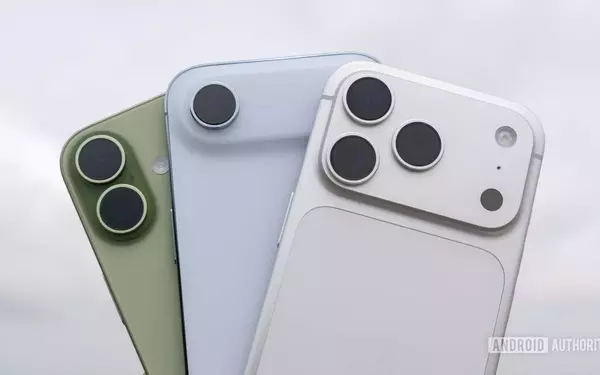
The year 2026 has been marked by significant challenges in the smartphone industry, largely due to escalating component prices. This has compelled manufacturers to make difficult choices: either maintain current models with minimal changes or increase prices to justify modest enhancements. Google, a key player in this competitive landscape, is facing similar dilemmas with its Pixel lineup, particularly concerning the forthcoming Pixel 11 and the existing Pixel 10a. This situation is poised to reshape consumer expectations and market dynamics, as buyers weigh the value proposition against rising costs.
Upcoming Price Adjustments for Google Pixel Phones
In July 2026, reports emerged, including an interview from 9to5Google with Shakil Barkat, Google's Vice President of Devices and Services, indicating impending price increases for the Pixel 11 series. These adjustments are in line with broader industry trends, where other major manufacturers like Samsung and Motorola have already raised prices for their latest models. For instance, Samsung increased prices for its Galaxy S26 and recent foldable devices, while Motorola saw its Razr Ultra jump by $200 despite having largely similar specifications to its predecessor. Google's Pixel 10a, despite its subtle improvements over its forebear, managed to retain its price initially, a move praised by many. However, current rumors suggest this price stability will not extend to the Pixel 11, potentially aligning its cost with premium competitors like the Galaxy S26. This would elevate expectations for the Pixel 11's performance, making it harder for Google to justify its proprietary Tensor chipsets, which, while offering excellent software experiences and low-light photography, have not traditionally matched the raw power of flagship Qualcomm SoCs.
Furthermore, the Pixel 11 Pro may also face a notable downgrade. Despite previous models featuring 16GB of RAM to support advanced Gemini features and ensure future-proofing, new speculations indicate the Pixel 11 Pro could be reduced to 12GB. This decision, even if Google optimizes Gemini for lower RAM, could be perceived negatively by consumers, limiting future overhead potential. Additionally, concerns are rising about the potential for feature differentiation between the Pixel 11 Pro and Pixel 11 Pro XL models, possibly forcing consumers to opt for the larger, more expensive XL version just to access higher RAM configurations.
The Pixel 10a, currently considered a strong contender in the mid-range smartphone market, is also predicted to experience a price hike. Barkat's comments hinted at increases for "in-market devices," and with the Pixel 10 series making way for the Pixel 11, the 10a remains the primary candidate. A significant price increase for the Pixel 10a, especially after previous aggressive sales that brought its price down to $400, would push it into a more competitive price bracket. This could dilute its value proposition, making its minor upgrades feel less substantial and forcing it to compete with a wider array of mid-to-high-range smartphones.
Google faces a critical juncture with its Pixel strategy. The success of its Tensor G6 chip in rivaling high-end processors like the Snapdragon 8 Elite Gen 5 will be crucial in mitigating the impact of these price adjustments. If Google can deliver on performance, higher prices may be more acceptable. However, its past Tensor performance track record has not been flawless, making this a significant challenge. The current environment suggests a challenging period for smartphone consumers, with Google's decisions set to heavily influence its standing in the market.
This evolving scenario highlights the constant tension between innovation, cost, and consumer value in the tech industry. As a reporter, it is clear that Google's upcoming moves with the Pixel lineup will be a fascinating case study in how a major tech company navigates economic pressures while striving to maintain its brand loyalty and competitive edge. The challenge for Google will be to convince consumers that increased prices are justified by tangible advancements, rather than being perceived as a step backward in an already tight market. The fate of the Pixel line, and perhaps future smartphone market trends, hinges on these delicate strategic choices.