In an era where the cost of mobile devices continues to climb, largely driven by surging component prices, Apple is strategically repositioning its sales approach to make premium technology more accessible. Following prior indications of a shift towards hardware leasing, the tech giant has officially launched its "Apple Upgrade" scheme in the United States. This program, facilitated by Klarna, replaces Apple's previous iPhone Upgrade Program and standard financing options, now extending leasing opportunities to include Macs, iPads, and Apple Watches.
Apple's official announcement details that the Upgrade program offers flexible terms: 12 or 24 months for iPhones (starting at $17.99 monthly) and Apple Watches ($11.99 monthly), and 24 or 36 months for Macs ($24.99 monthly) and iPads ($11.99 monthly). Applicants undergo a soft credit assessment via Klarna, can utilize trade-in values to reduce monthly payments, and earn a 3% Daily Cash back with an Apple Card. Upon the conclusion of a lease term, users have several options: they can return the device, purchase it outright with a single payment, or transition to a newer model under a fresh agreement. Notably, this program does not extend to Apple's entry-level devices, such as the base iPhone 16, Apple Watch SE, standard iPad, or MacBook Neo.
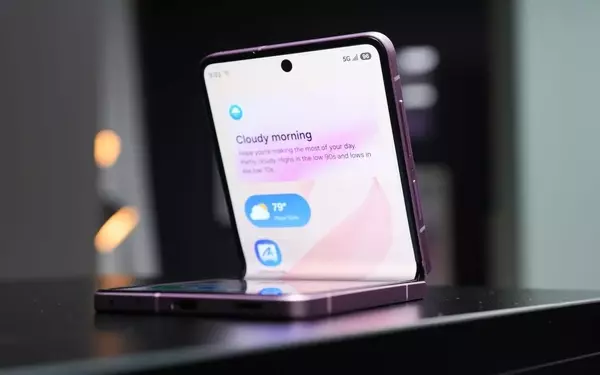
While not explicitly stated by Apple, the introduction of this "hardware as a service" model is a timely response to a market where purchasing high-end devices upfront is increasingly challenging for the average consumer. The ongoing global scarcity of RAM and the subsequent hike in memory prices have impacted the entire technology sector, making such flexible payment solutions more appealing. This trend is equally affecting the Android market; manufacturers like Samsung have already increased the prices of their flagship foldables, with the Galaxy Z Flip 8 now starting at $1,200 and the Galaxy Z Fold 8 Ultra reaching up to $2,100. Google is also facing similar pressures, with executives acknowledging that they can no longer absorb rising memory costs, suggesting that upcoming Pixel models, like the Pixel 11, will likely see price increases, potentially starting at $899.
As premium Android devices consistently surpass the $1,000 mark, Android manufacturers could benefit significantly from adopting a similar leasing strategy. Traditional 24-to-36-month carrier installment plans often lock consumers into long commitments that may not align with annual hardware releases or evolving carrier policies. Offering first-party leasing solutions could provide Android enthusiasts with a more manageable path to accessing the latest technology without the shock of escalating prices each year. While outright purchase and prolonged device ownership remain the most cost-effective methods in the long run, the current market climate, with continuous price surges expected, underscores the importance of diverse financing options to cater to varying consumer needs and desires for cutting-edge hardware.