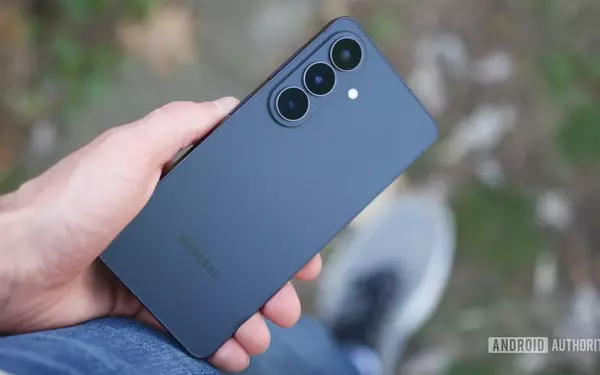
A significant transformation is underway in the Android smartphone market, as the 'Ultra' branding, once synonymous with peak performance and innovation, appears to be nearing its conclusion. The primary catalyst for this shift is the substantial increase in the cost of RAM, which has compelled several prominent Android manufacturers to reassess their product strategies. This adjustment has led to the reported cancellation or restricted global launch of forthcoming 'Ultra' designated flagship models by companies like Xiaomi, OPPO, and vivo, potentially leaving Samsung as the last major player to globally offer phones with this premium label.
Reports from tipsters, including Yogesh Brar, indicate that Xiaomi has reportedly withdrawn its plans for the Xiaomi 18 Ultra. While the complete discontinuation of the 'Ultra' series by Xiaomi remains unconfirmed, this move suggests a strategic pause influenced by the current economic pressures. In a related development, Xiaomi is rumored to be developing a Mix series device that incorporates technology originally intended for the Xiaomi 18 Ultra, powered by its proprietary Xring O3 chipset. However, this innovative product is currently slated for an exclusive release within the Chinese market. Furthermore, Kartikey Singh corroborates these reports, adding that OPPO and vivo are also reconsidering the global launch of their next-generation 'Ultra' flagships, specifically the OPPO Find X10 Ultra and vivo X500 Ultra.
As a result of these market adjustments, Samsung's 'Ultra' flagships may soon be the only ones widely available worldwide. Other Android brands are anticipated to adopt the 'Pro Max' nomenclature for their high-end offerings. Despite this potential downshift in branding, some speculate that these 'Pro Max' devices from Chinese manufacturers could still surpass Samsung's 'Ultra' models in terms of technological advancement, given Samsung's comparatively slower pace of innovation in areas outside of foldable technology. The full implications of this shift for extreme camera hardware and comprehensive spec sheets, traditionally hallmarks of the 'Ultra' era, are yet to unfold.
This evolving landscape underscores the dynamic nature of the smartphone industry, where economic factors like component costs can profoundly influence product development and market availability. It encourages manufacturers to innovate not just in technology, but also in strategy, ensuring consumers continue to have access to advanced mobile experiences, even if under different branding. This adaptability is crucial for maintaining market leadership and satisfying the diverse demands of a global audience.