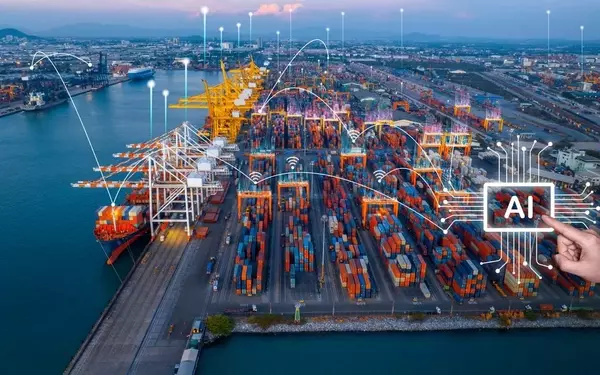
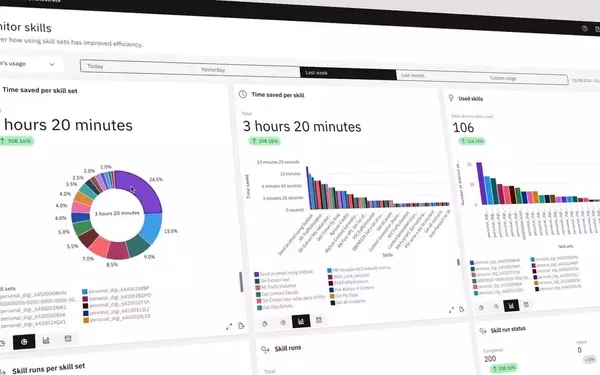
Artificial intelligence is profoundly reshaping the landscape of US manufacturing, enabling a dramatic shift from time-consuming, manual operations to highly efficient, automated workflows. This transformation is largely driven by the strategic application of AI, especially neural networks, which excel at processing complex, unstructured data and identifying intricate patterns where conventional algorithms fall short. By understanding the distinct capabilities of various AI forms and their optimal implementation scenarios, manufacturers can unlock substantial benefits in both cost and time savings, redefining productivity on the factory floor.
The integration of advanced AI solutions is not merely an incremental improvement; it represents a fundamental rethinking of industrial processes. From real-time inventory management that preempts costly production halts to sophisticated language models that instantly translate crucial business documents, AI is proving to be an indispensable tool for modern enterprises. This technological evolution allows businesses to navigate complex data environments with unprecedented agility, fostering an operational paradigm characterized by lean practices, heightened responsiveness, and robust supply chain integrity. The era of intelligent automation has arrived, delivering tangible advantages to American manufacturers.
AI-Powered Automation in Manufacturing Operations
AI, particularly through neural networks, is transforming manufacturing by efficiently processing unstructured data and recognizing complex patterns, areas where traditional algorithms are less effective. This enables manufacturers to automate and streamline various operational processes, significantly reducing manual effort and improving efficiency. The implementation of AI in these processes ensures that critical data is utilized to its full potential, leading to more informed decisions and optimized workflows across the production line.
A prime example of AI’s impact is in automating inventory management. For instance, in a 3D printing company, AI integrates equipment sensor data with ERP systems. When material levels drop, an order is automatically triggered and sent to the supplier. Upon confirmation, the system updates the ERP, adjusts planning, and notifies relevant departments. This minimizes machine downtime due to stockouts, eliminates manual spreadsheet tracking, and removes the need for email-based purchase orders. AI also analyzes historical usage, supplier performance, and demand fluctuations, suggesting adjustments to reorder thresholds and flagging potential issues before they escalate, turning hours of manual work into minutes of automated action. This closed-loop automation creates a lean and responsive supply chain.
Transforming Data Processing with Advanced Language Models
Large Language Models (LLMs) are enhancing data processing in manufacturing by interpreting complex language and establishing semantic connections. Unlike older rule-based systems, these advanced neural networks grasp contextual meaning, allowing them to precisely extract and organize information from diverse, unformatted sources. This capability is critical for streamlining operations that involve complex textual data, such as international communication and document processing.
LLMs are particularly beneficial for handling foreign language purchase orders, such as those in Mandarin, Spanish, or Korean. These models can rewrite documents into clear business English, automatically mapping content to existing ERP fields, and extracting key details like order numbers, quantities, part specifications, and delivery terms. To ensure accuracy, verification checks are crucial. These include human review for uncommon terms, confidence scoring by GPT models to flag uncertain areas or conflicts for human attention, and comprehensive audit trails for transparency across procurement, finance, and compliance. Such capabilities significantly minimize manual procurement tasks, reduce labor tied to material shortages, and maximize order acceptance rates, resulting in efficient and robust supply chain management.