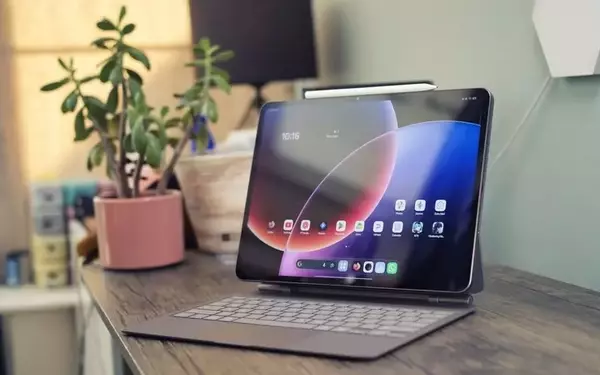
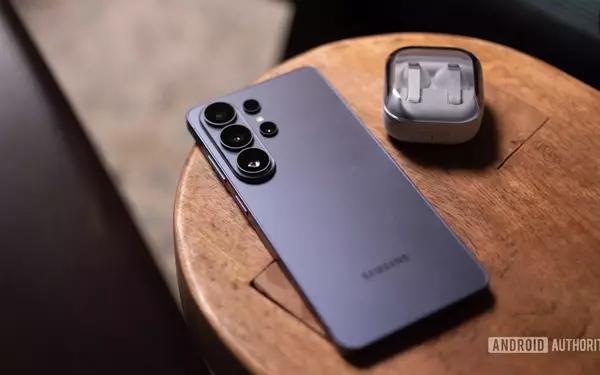
The smartphone market is on the cusp of a significant shift, with manufacturers exploring new form factors beyond the traditional tall and narrow designs. Xiaomi is reportedly leading this charge with a wide-screen slab phone, signaling a potential new direction for mobile devices. This move is influenced by the increasing popularity of wide foldable phones, which have demonstrated the usability and consumer appeal of broader displays. The convenience offered by wider screens, especially for media consumption and multitasking, is driving this evolution, promising a fresh perspective on handheld technology.
This emerging trend is not limited to Xiaomi alone. Other major players in the mobile industry, including Huawei and OPPO, are also investing in wide-screen slab phones. This collective interest suggests a broader industry movement towards reimagining smartphone ergonomics and display utility. As these innovative devices begin to surface, they are expected to cater to a growing consumer preference for more expansive and comfortable viewing experiences, potentially reshaping the landscape of mobile technology in the coming years.
Xiaomi's Foray into Wide-Screen Slab Phones
Xiaomi is reportedly developing a novel wide-screen slab phone, marking a departure from the prevailing tall and narrow smartphone designs. This strategic move is influenced by the undeniable success and user satisfaction observed with wider foldable devices, which have carved out a significant niche in the market. The underlying motivation appears to be a response to consumer demand for devices that offer enhanced usability and a more immersive visual experience. By adopting a wider format, Xiaomi aims to improve ergonomic comfort, making it easier for users to interact with their devices, especially for tasks that benefit from a broader display. This initiative positions Xiaomi at the forefront of a potential new wave of smartphone design, challenging the conventional aesthetics that have dominated the industry for years.
The concept of a wide-screen slab phone, as explored by Xiaomi, aims to combine the robust, non-folding form factor with the expansive display real estate typically associated with the cover screens of wider foldable devices. This design philosophy seeks to address the need for a more spacious viewing area without introducing the complexities and higher costs often linked with foldable technology. Such a device could offer a more comfortable grip and superior single-handed usability for a broader range of activities, from browsing and reading to gaming and media consumption. The integration of features like a side-mounted fingerprint scanner, common in foldable phones, further emphasizes a focus on intuitive user interaction. This development from Xiaomi signifies a commitment to innovation, targeting user-centric design improvements that could redefine expectations for how we engage with our smartphones daily.
The Evolving Landscape of Smartphone Design
The smartphone industry is witnessing a transformative period, with several manufacturers exploring the potential of wide-screen slab phones. This shift is not just a passing trend but a response to evolving consumer preferences and technological advancements. Beyond Xiaomi, companies like Huawei and OPPO are actively venturing into this new design territory, indicating a collective industry pivot. Huawei has already introduced the Pura X View, a non-folding wide-screen device, demonstrating the viability and appeal of this format. OPPO is also rumored to be developing its version, potentially featuring enhanced camera capabilities, underscoring a broader push towards integrating innovative hardware with new form factors. This collaborative exploration by multiple brands suggests that wide-screen slab phones could soon become a significant segment within the global smartphone market.
The collaborative movement towards wider smartphone designs by Chinese brands such as vivo and Honor, as well as the aforementioned Huawei and OPPO, highlights a strategic effort to cater to a diverse range of user needs and preferences. These companies are keen on offering alternatives to the current market dominance of tall, slender devices. By focusing on wider screens, they aim to improve the overall user experience, particularly for activities that benefit from a larger horizontal display area. While initial models might be targeted at domestic markets, the intent to eventually globalize these designs is evident. This collective pursuit of wide-screen slab phones signifies a significant evolution in smartphone form factors, promising to bring more ergonomic, versatile, and visually engaging devices to consumers worldwide, marking a new chapter in mobile technology design.