Apple Intelligence, a prominent feature within the Apple ecosystem, has been integrated into widely used applications such as Messages, Mail, and Notes since its October 2024 debut. This platform harnesses the power of generative AI for tasks like text and image generation, enhancing existing functionalities and allowing Apple to compete effectively with other major players in the artificial intelligence domain, including Google and OpenAI.
A key aspect of Apple Intelligence is its diverse range of text and image generation tools. The platform offers 'Writing Tools', powered by a large language model (LLM), which are accessible across various Apple applications like Mail, Messages, and Pages. These tools can summarize lengthy texts, proofread content, and even draft messages based on specified content and tone. For image generation, Apple Intelligence provides 'Genmojis' for creating custom emojis in Apple's unique style, and 'Image Playground', a standalone application for generating visual content from prompts, suitable for use in Messages or Keynote. Additionally, the smart assistant Siri has received a significant update, now integrating more deeply into Apple's operating systems. This enhanced Siri can perform cross-app actions, such as editing a photo and inserting it into a message, and utilizes on-screen context to provide relevant answers, although a more personalized version is anticipated in future updates. New features like Visual Intelligence, for image searches, and Live Translation for real-time conversation translation in Messages, FaceTime, and Phone apps, are also on the horizon, expected to be available with iOS 26.
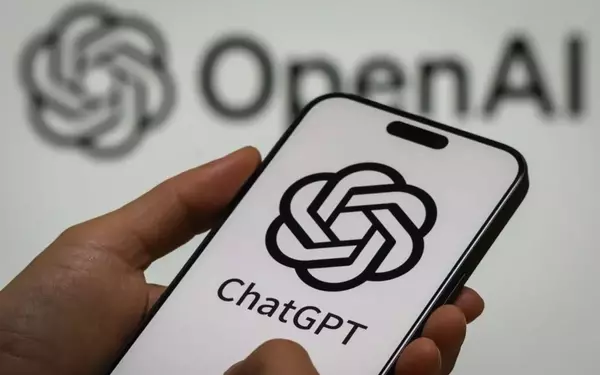
Apple Intelligence aims to revolutionize how users interact with their devices, offering a seamless and integrated AI experience. The initial rollout of Apple Intelligence features, including writing tools and image cleanup, began in October 2024 with iOS 18.1, iPadOS 18.1, and macOS Sequoia 15.1 updates. Subsequent releases, like iOS 18.2, introduced features such as Genmoji, Image Playground, Visual Intelligence, and ChatGPT integration. These AI capabilities are offered free of charge, provided users possess compatible hardware, including all iPhone 16 models, specific iPhone 15 Pro versions, and M1-powered iPads and Macs. Apple's AI model primarily operates on-device to ensure privacy and efficiency, utilizing internal datasets for common tasks. More complex queries are handled by Private Cloud Compute, leveraging Apple Silicon-powered remote servers that maintain the same privacy standards as consumer devices. Furthermore, Apple has embraced third-party integration, notably with ChatGPT, allowing its functionalities to supplement Siri's knowledge base and enhance writing tools. Apple has also confirmed plans to integrate with Google Gemini in the future. For developers, Apple offers the Foundation Models framework, enabling them to build AI features into their applications that leverage Apple's offline AI models, promising enhanced user experiences with privacy and efficiency in mind.
The continuous evolution of artificial intelligence within Apple's framework signifies a commitment to enhancing user interaction and functionality across its diverse product range. By strategically integrating advanced AI capabilities, Apple is not merely keeping pace with technological advancements but is actively shaping a more intuitive and efficient digital future for its users. This progression underscores the dynamic and transformative potential of AI to redefine how we live, work, and interact with technology, promoting innovation and positive societal impact.