The 39th Tokyo International Film Festival (TIFF) has officially commenced, transforming the city's Hibiya district into a vibrant hub of cinematic celebration despite the persistent autumn rain. This year's event, running from October 26 to November 4, promises an expanded program featuring an impressive 204 films from 112 nations and regions, including 35 world premieres. The opening ceremony, held at Hulic Hall Tokyo, saw a distinguished gathering of Japanese film personalities and global cinema figures, all eagerly anticipating the diverse array of films on offer, with particular excitement surrounding the highly anticipated film “Godzilla Minus Zero.”
Tokyo International Film Festival Unveils Expanded Program Amidst Star-Studded Opening
On the evening of October 26, 2026, Tokyo's Hibiya district played host to the grand opening of the 39th Tokyo International Film Festival. Despite a persistent chilly rain, the red carpet buzzed with excitement as numerous luminaries from the world of cinema arrived. Among the notable Japanese talents were actor Tadanobu Asano, known for his role in “Shōgun”; Junichi Okada, leading man in “Last Samurai Standing”; singer-actor Kento Nakajima; actress Mei Nagano; and Takumi Kitamura from “Yu Yu Hakusho.”
International presence was also strong, with Macedonian director Milcho Manchevski notably using a replica manhole cover as an impromptu umbrella, a playful nod to his competition film, “Sister Brother Manhole Cover.” Bill Kramer, CEO of the Academy of Motion Picture Arts and Sciences, and Meredith Shea, the Academy’s chief membership, impact, and industry officer, also graced the event, with Kramer urging Japanese audiences to support their local filmmakers by going to the cinema.
The festival's program is extensive, showcasing films across various categories. A significant highlight is the centerpiece screening of Toho's latest blockbuster, “Godzilla Minus Zero,” scheduled for November 1. This emphasizes Japan's growing cultural and commercial influence in global entertainment. The accompanying content market, TIFFCOM, is set to run from October 28 to 30 at the Tokyo Metropolitan Industrial Trade Center in Hamamatsucho, facilitating industry exchanges.
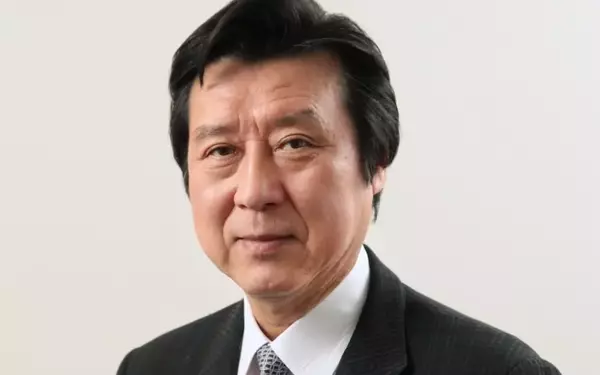
The opening ceremony itself was a spectacle, expertly hosted by pop star-turned-actor Kento Nakajima. This year also marks the return of veteran industry figure Takeo Hisamatsu as festival director. Hisamatsu, who previously led the festival from 2017 to 2021, expressed his enduring passion for cinema, reflecting on his nearly 50-year career across various genres and regions. His vision for this year's festival is to foster a more celebratory atmosphere and stronger entertainment focus, while preserving its dedication to independent and international cinema.
The evening also featured a video message from Japanese Prime Minister Sanae Takaichi, who underscored film's powerful ability to connect people across national and cultural divides. She reiterated the government's commitment to bolstering Japan's entertainment and intellectual property sectors, aiming to achieve 20 trillion yen ($130 billion) in overseas content sales by 2033 through increased public-private investment. Ryosei Akazawa, Japan's Minister of Economy, Trade and Industry, echoed this sentiment, highlighting the international success of Japanese IPs like “Godzilla Minus Zero” and the country's globally popular manga and character-driven content.
The festival's main competition jury, led by Australian filmmaker Rolf de Heer, comprises esteemed international and Korean producers Oh Jungwan and Alex Lo, Japanese actress Makiko Watanabe, and international film colorist Yov Moor. De Heer paid homage to the profound impact of Japanese cinema on international filmmakers, noting that all jury members have been influenced by Japanese masters.
The opening film, Takahisa Zeze’s music biopic “Sukiyaki,” tells the compelling story behind the internationally renowned Japanese pop song “Ue o Muite Arukō.” The cast, including Junichi Okada, Tori Matsuzaka, and Taiga Nakano, were present on the red carpet, with Okada sharing insights into his rigorous musical preparation for the role. The competition lineup features a diverse selection of films, including Iranian-Kurdish director Bahman Ghobadi’s “Trees Are Watching,” Garin Nugroho’s historical drama “Red Before Dawn,” and Qiu Jiongjiong’s “Fuxi: Four Tales of Feasting,” alongside three Japanese entries.
New initiatives by Hisamatsu include competitive awards for Nippon Cinema Now, aimed at increasing the international visibility of contemporary Japanese filmmakers, and CROSSCUT ASIA+, a program in collaboration with the Japan Foundation focusing on Southeast Asian cinema. The festival will also honor Iranian filmmaker Mohammad Rasoulof and Japanese director Mipo O with the Kurosawa Akira Awards, recognizing their significant contributions to film. Additionally, the inaugural Kashiko Kawakita Award, celebrating women who have made substantial contributions to film culture, will be presented to Japanese film critic Sahoko Hata.
The festival anticipates a high-profile visit from Oscar winner Cate Blanchett, who will be present for the Japanese premieres of five short films supported by the Displacement Film Fund, an initiative she co-founded. She is also slated to participate in a public discussion with Rasoulof and Afghan filmmaker Shahrbanoo Sadat and will receive Japan’s prestigious Praemium Imperiale award. The Academy’s robust presence will also include Academy president Lynette Howell Taylor on a panel discussing the Oscars' international reach.
Further programming includes a masterclass with Hong Kong-born filmmaker Wayne Wang, a retrospective on German auteur Ulrike Ottinger, and special screenings honoring Japanese master Kenji Mizoguchi and Egyptian filmmaker Youssef Chahine. The festival's gala slate features prominent international titles such as Martin McDonagh’s “Wild Horse Nine” and Cristian Mungiu’s Cannes Palme d’Or winner “Fjord.” The 39th Tokyo festival will conclude on November 4 with Korean filmmaker Yeon Sang-ho’s latest thriller, “Colony.”
The Tokyo International Film Festival, even in the face of inclement weather, clearly demonstrates its unwavering commitment to global cinema and its growing influence on the international stage. The diverse programming, star-studded attendance, and strategic initiatives underscore Japan's vibrant film industry and its dedication to fostering cross-cultural dialogue through the art of storytelling. The festival's focus on both established and emerging talents, coupled with its emphasis on impactful cinema, serves as a powerful reminder of film's capacity to transcend boundaries and enrich lives. This event is not just a showcase of films, but a celebration of the universal language of cinema and its enduring power to connect humanity.