Tesla shareholders are currently at a pivotal juncture, poised to decide on a significant proposal: whether the electric vehicle giant should allocate capital towards Elon Musk's burgeoning artificial intelligence venture, xAI. This motion, championed by a private investor, is being framed as a strategic imperative to amplify Tesla's capabilities across the domains of AI, robotics, and sustainable energy solutions. The company's leadership, notably, has adopted a neutral stance on the matter, leaving the ultimate decision in the hands of its diverse shareholder base.
Crucial Vote Approaches Amidst AI Integration and Executive Compensation Debates
On September 5, 2025, a significant proposal emerged from Stephen Hawk, a Florida-based Tesla shareholder holding a $2,000 stake. His proposition, detailed within Tesla's proxy statement, advocates for an investment in xAI, Elon Musk's AI startup. This shareholder initiative is presented as a strategic move to fortify Tesla’s advancements in artificial intelligence, robotics, and energy sectors. Hawk's rationale highlights the demonstrable advantages of integrating Grok, an xAI product, into Tesla vehicles, suggesting that further investment would guarantee access to cutting-edge AI, stimulate product innovation, and ultimately enhance shareholder wealth.
Interestingly, Tesla's board of directors, which typically offers voting recommendations, has remained neutral on this particular shareholder proposal. This comes at a time when Tesla is actively seeking shareholder approval for a new compensation package for Musk, potentially valuing up to $1 trillion over a decade, which would significantly increase his ownership stake to over 25%. This proposed package is currently under appeal following a Delaware judge's decision to invalidate a previous, similarly substantial compensation plan for Musk.
The debate is further complicated by past events. SpaceX, another of Musk's ventures, has already committed a substantial $2 billion to xAI as part of a larger $5 billion equity raise, prompting speculation among analysts about xAI's challenges in securing external funding. Moreover, Musk's decision to merge X (formerly Twitter) with xAI earlier this year adds another layer of interconnectedness to his corporate ecosystem. Some Tesla shareholders have previously voiced concerns, even filing lawsuits that were later dismissed, arguing that xAI represents a competing interest to Tesla, especially given Musk's frequent characterization of Tesla itself as an AI company.
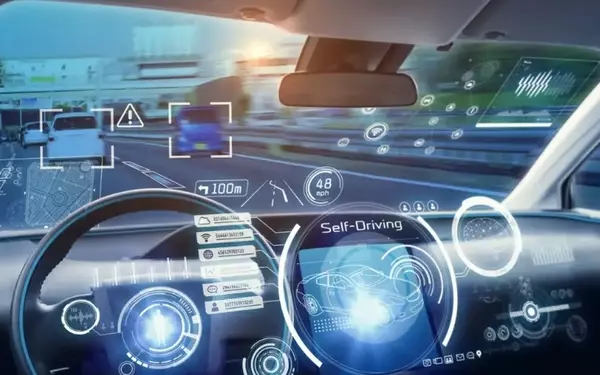
As Tesla navigates through a period marked by decelerating electric vehicle sales and a less-than-stellar rollout of its robotaxi services, the company has increasingly emphasized its AI initiatives, particularly in autonomous driving and the development of its humanoid robot, Optimus. Musk himself has asserted the necessity of a larger controlling stake in Tesla to effectively steer its AI endeavors, ostensibly to prevent distractions arising from his other AI-focused ventures. The shareholder vote, scheduled for November 6 at 3 PM Central Time at Tesla's Gigafactory Texas, will be live-streamed, allowing global stakeholders to observe this pivotal decision firsthand. Experts like Gene Munster, managing partner at Deepwater Asset Management, suggest that an investment in xAI could be crucial for Tesla to achieve an ambitious $8 trillion market capitalization, viewing xAI as a critical lever for "inconceivable" future growth, especially in areas like widespread humanoid robot deployment.
From a journalist's perspective, this unfolding scenario presents a fascinating study in corporate governance, executive influence, and the rapidly evolving landscape of artificial intelligence. The tension between a CEO's multiple ventures and the fiduciary duties owed to shareholders is palpable. It underscores the challenges of aligning complex corporate strategies with the personal ambitions of a visionary leader. The decision by Tesla's board to remain neutral on the xAI investment, while simultaneously pushing for an unprecedented compensation package for Musk, invites scrutiny. It raises questions about the true independence of the board and whether shareholder interests are being optimally served in the long term. This vote isn't just about a financial transaction; it's a referendum on the future direction of Tesla, its identity as an AI and robotics innovator, and the intricate web of influence surrounding Elon Musk's expansive entrepreneurial empire. The outcome will undoubtedly set precedents for how companies navigate the intersection of personal entrepreneurial endeavors and corporate strategic investments in the age of AI.