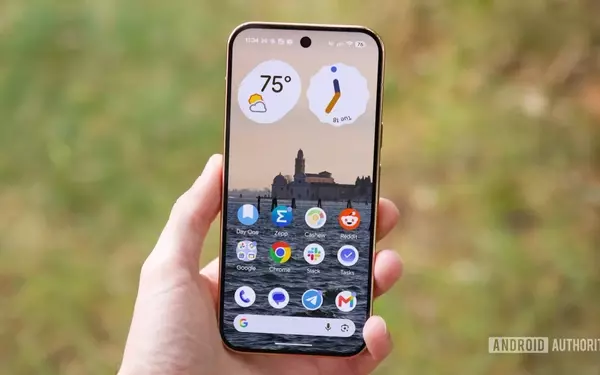
Google's recent Pixel 11 series introduced a Digital Well-being feature named Pause Point, designed to encourage users to deliberate before opening potentially distracting applications. However, this functionality was exclusively made available for the Pixel 11 lineup. In response to this limitation, an innovative application called 'Stroll' has emerged, offering a comparable, and arguably more effective, solution for managing screen time. Stroll distinguishes itself from Pause Point by adopting a unique approach: users must earn their screen time by accumulating steps. This gamified method transforms the act of accessing social media or other time-consuming applications from a passive habit into an active, rewarding endeavor, effectively promoting physical activity alongside digital moderation.
The Stroll app has demonstrated its efficacy in shifting user behavior. Instead of solely relying on self-restraint, which often proves insufficient against the addictive nature of social media, Stroll creates a tangible link between physical effort and digital engagement. By requiring users to walk before they can scroll, the app subtly encourages a healthier lifestyle and a more mindful approach to screen use. This mechanism helps users re-evaluate the true 'value' of their time and the choices they make regarding their digital consumption. The app's ability to integrate with various step-tracking sources, including phone sensors and smartwatches, further enhances its practical application, ensuring that all physical activity contributes to earned screen time.
Stroll's Innovative Mechanism for Digital Balance
The Stroll application reimagines screen time management by introducing an intuitive system where digital access is directly linked to physical activity. Instead of the typical shame or guilt associated with excessive social media use, Stroll promotes a positive reinforcement loop. Users accumulate "time credits" for their daily steps, which can then be redeemed to unlock or extend usage of designated distracting applications. This active earning process fundamentally alters the user's perception of screen time, transforming it from a passive indulgence into a resource that must be earned through physical effort. The app's flexibility, allowing integration with various step-tracking devices and even manual input via Google Health, ensures a comprehensive and accurate record of physical activity, making the earning process seamless and accessible to a wide range of users.
Stroll's core principle revolves around the idea that one must "stroll before they scroll." This metaphor effectively captures the app's mechanism, where physical movement precedes digital engagement. The system is designed to provide a gentle yet firm nudge towards healthier habits, offering users a choice between a 'soft wall' that allows for bypass with some friction, and a 'hard wall' that strictly enforces the walking requirement. This customizable approach empowers users to gradually adjust their habits without feeling overwhelmed. By requiring a conscious effort to earn screen time, Stroll introduces a valuable delay that can disrupt impulsive app opening, leading to a significant reduction in mindless browsing and fostering a more intentional and balanced digital lifestyle. The app effectively turns a potentially negative habit into an opportunity for positive behavioral change.
Elevating Digital Well-being Beyond Conventional App Timers
Stroll provides a notable advancement over conventional digital well-being features like Android's built-in app timers, which often operate reactively by issuing warnings as allotted time expires. These traditional methods frequently fail to address the core issue of compulsive usage, as users may already be deeply engrossed in content when alerts appear, diminishing their effectiveness. Stroll, conversely, adopts a proactive strategy by integrating physical activity as a prerequisite for screen time. This shifts the focus from simply limiting usage to actively earning it, thereby instilling a sense of accomplishment and purpose in digital engagement, and fundamentally altering the user's relationship with their devices and applications.
The efficacy of Stroll lies in its ability to redefine the incentive structure around screen time. Unlike conventional timers that primarily highlight the negative consequences of overuse, Stroll transforms screen time into a rewarding experience, contingent upon physical exertion. This innovative approach encourages users to view walking not as a chore, but as a gateway to their digital world, making the process of managing screen time less about self-deprivation and more about balanced engagement. By creating a tangible link between physical activity and digital access, Stroll fosters a mindful approach to technology, empowering users to break free from habitual scrolling and reclaim control over their valuable time, directing their energy towards more enriching activities or simply enjoying a well-deserved break.