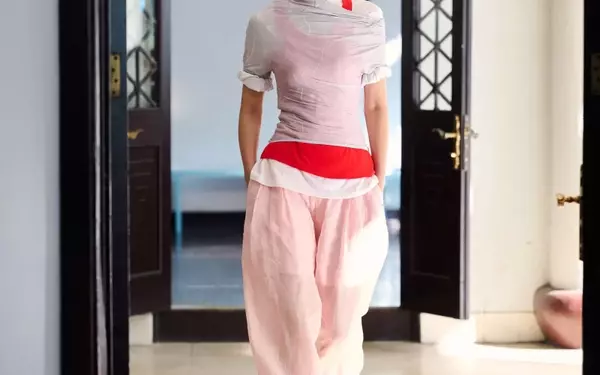
The recent Shanghai Fashion Week for Spring/Summer 2027 signaled a pivotal transformation within China's independent fashion landscape. Emerging designers are actively reshaping their foundational business strategies, moving away from conventional reliance on wholesale channels and embracing more direct engagement with consumers. This strategic pivot involves the establishment of physical retail spaces, including flagship stores and temporary pop-ups, alongside a refined approach to product development that emphasizes versatility and everyday wearability. This evolution underscores a broader industry response to the nuanced demands of a post-pandemic luxury market, where brands seek enhanced control over their distribution networks and deeper connections with their customer base.
Chinese Designers Pioneer New Retail Strategies at Shanghai Fashion Week
From October 8 to 16, the vibrant city of Shanghai hosted its highly anticipated Fashion Week for the Spring/Summer 2027 collections, initiating with Hemu's captivating Silk Road collection. This season was not merely a showcase of new designs but a clear indicator of a strategic metamorphosis within China's burgeoning independent fashion sector. Designers are actively re-evaluating established business models, transitioning from traditional showroom-dependent wholesale to more direct-to-consumer (DTC) approaches.
This significant shift was palpable across various facets of the week. Independent brands, once heavily reliant on multi-brand boutiques for visibility and distribution, are now investing in their own standalone retail outlets and experimental pop-up stores. This strategic move aims to foster stronger direct relationships with end-consumers and gain greater autonomy over their market reach. For instance, after years of a successful wholesale journey, Samuel Guì Yang inaugurated its first global store on Shanghai's historic Julu Road, strategically opening during the third day of Fashion Week. Similarly, Markgong has transitioned from online-only sales to a physical presence with its flagship store in IAMP Mall, while Ruohan is preparing to launch its first standalone store on Hunan Road.
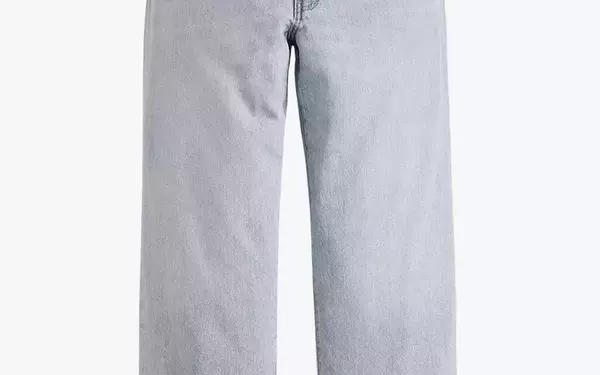
Concurrently, there's a noticeable evolution in product design. Collections from labels like Pronounce, celebrating its 10th anniversary with designers Yushan Li and Jun Zhou's "Through Her Eyes" collection, showcased a move towards practical, everyday garments. This trend diverges from the historically dramatic or occasion-specific pieces often seen on Shanghai runways, instead offering versatile apparel that blends contemporary sensibilities with traditional Chinese elements. Shushu/Tong continued its signature feminine aesthetic, while Xu Zhi elegantly fused Victorian-inspired elements with distressed denim, signaling a broader adoption of versatile styling. Rui Zhou, founder of RuiBuilt, highlighted this evolution, noting a deliberate shift towards creating more "everyday pieces like jeans and lightweight jackets" in response to market demands across Asia, as demonstrated by their four-day pop-up sales event following their presentation.
The luxury market in China is navigating a period of cautious recovery, compelling designers to innovate beyond just creative recognition. The focus has sharpened on converting brand attention into sustained sales, cultivating repeat business, and developing resilient distribution strategies that can thrive amidst unpredictable consumer spending patterns. This season of Shanghai Fashion Week served as a dynamic platform where these commercial imperatives were not only discussed but actively implemented, signaling a new, more self-reliant era for Chinese fashion brands.
The transformation observed at Shanghai Fashion Week underscores a crucial evolution for independent designers. By embracing direct consumer engagement and adapting product lines for everyday versatility, these brands are not only navigating the current economic climate but also building more resilient and consumer-centric business models. This proactive approach fosters greater brand control and enriches the customer experience, setting a new benchmark for the global fashion industry.