Google's latest Android iteration, Android 17, revolutionizes the process of transitioning from an Apple iPhone to an Android device. This update significantly upgrades the built-in data migration utility, offering an expanded array of wirelessly transferable information, thereby alleviating a common challenge for individuals considering a change in mobile platforms.
This enhanced data transfer capability is currently being rolled out to select Pixel devices and will also be available on Samsung's recently unveiled Galaxy Z Fold 8 and Galaxy Z Flip 8. The move is a direct response to both market competition and regulatory pressures, particularly the European Union's Digital Markets Act (DMA), which mandates improved data portability between major technological ecosystems. This legislative push aims to dismantle barriers that often keep users confined to a specific brand's environment.
Enhanced Data Migration Features
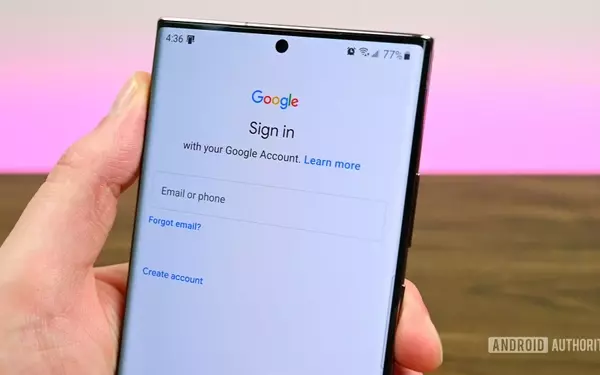
The most notable improvement in Android 17 is the extensive range of data that can now be seamlessly transferred during initial device setup. Beyond the previously supported items such as images, videos, contact lists, messages, and calendar entries, the new system facilitates the wireless transfer of Google Accounts, securely stored passwords, Wi-Fi network credentials, and even eSIM profiles. This comprehensive transfer capability drastically reduces the need for third-party applications or intricate manual processes, integrating the entire migration directly into the Android setup procedure. For this feature to function, the source iPhone must be operating on iOS 26.3 or a newer version.
Android 17's advancements fundamentally streamline the experience of setting up a new device, ensuring that a significant portion of a user's existing data is automatically carried over. The inclusion of passwords, Wi-Fi details, and eSIMs is particularly impactful, as these elements often represent the most time-consuming aspects of configuring a new phone. Automating their transfer is expected to make the entire process feel considerably more fluid and user-friendly. While it remains to be seen if these improvements will sway dedicated iPhone users, they undeniably remove substantial friction for those already contemplating a shift to the Android ecosystem.
Regulatory Impact on Cross-Platform Transfers
The impetus behind these significant updates isn't solely competition-driven; regulatory frameworks have played a crucial role. Both Apple and Google introduced native tools for cross-platform data migration following the European Union's Digital Markets Act (DMA). This legislation was enacted to ensure that dominant digital platforms provide greater data portability, aiming to reduce the barriers that prevent users from switching between different operating systems and services. The DMA's provisions specifically targeted practices that create "walled gardens," encouraging a more open and interoperable digital landscape.
A key aspect of this regulatory push was the requirement for both companies to support simplified eSIM transfers. Historically, managing eSIMs during an operating system change has been one of the more cumbersome steps. By addressing this and other data portability issues, Android 17 significantly eases the transition for users. For individuals who have hesitated to switch mobile platforms due to the perceived difficulties, Android 17's comprehensive and integrated migration tools eliminate many of these obstacles, making the prospect of moving from an iPhone to an Android device much more appealing and straightforward.