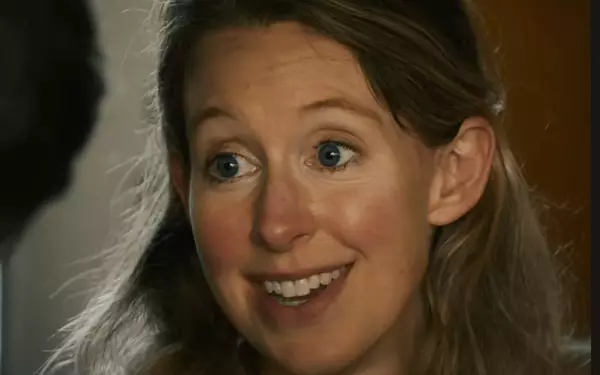
“Satoko Always,” directed by Shuichi Okita, is a remarkable cinematic endeavor that delves into the transformative power of creative expression for women. The film masterfully interweaves the narratives of three distinct individuals, all sharing the same first name, as they navigate personal challenges and find solace and strength in the act of writing. This unique approach celebrates womanhood and highlights how artistic pursuits can serve as vital emotional outlets, contributing significantly to one's mental and spiritual health. Okita’s screenplay is praised for its intricate structure and its ability to seamlessly blend reality with the characters' imaginative worlds, offering a rich tapestry of experiences that resonate deeply with the audience.
The movie premiered internationally at the Busan Film Festival, where it was lauded for its innovative storytelling and the compelling performances by its lead actresses. The film’s success is a testament to Okita’s vision and the strong reputations of its cast and crew, ensuring its positive reception and wide distribution across various markets. Through its exploration of diverse female experiences, the film not only entertains but also encourages viewers to embrace their own inner voices and to recognize the profound impact of creativity on personal well-being.
The Genesis of Creative Self-Expression
In “Satoko Always,” the journey of self-discovery through writing is beautifully portrayed through its diverse characters. The narrative commences with young Satoko Nakai, who, despite dealing with allergic rhinitis, finds a spark of inspiration and connection with a classmate, Hayase. This initial interaction, though seemingly trivial, becomes the catalyst for her foray into fiction. When tasked with a report, she opts for imaginative storytelling over factual reporting, a decision that is unexpectedly encouraged by her teacher. This encouragement propels her further into creative writing, culminating in a poignant love letter to food that cleverly mirrors her burgeoning feelings for Hayase. This segment of the film charmingly illustrates how everyday life and budding emotions can fuel artistic endeavors, laying the groundwork for a broader exploration of female creativity.
The film then gracefully transitions to Satoko Nishida, a publicist whose life takes an unexpected turn following an extramarital affair. Her experiences, marked by both a passion for romantic K-dramas and a brush with danger, push her towards expressing her own romantic fairytale through writing. The film subtly connects her journey to that of the younger Satoko, highlighting shared themes of passion and the search for an emotional outlet. Finally, Satoko Iijima, a devoted wife and mother, confronts the prospect of an empty nest as her youngest son prepares for university. This life transition reignites her childhood memories and inspires her to craft her own story, brought to life through a captivating mix of live-action and stop-motion animation. Each Satoko, despite their varied circumstances, discovers that writing offers a profound avenue for processing emotions, reimagining their lives, and ultimately, finding their unique voice, all while challenging traditional narrative structures with Okita's metatextual flair.
Unveiling the Nuances of Storytelling and Womanhood
Shuichi Okita's directorial prowess in “Satoko Always” lies in his ability to challenge conventional cinematic narratives while celebrating the intricate journey of female self-discovery. His screenplay deliberately blurs the lines between reality and fiction, keeping the audience engaged in discerning what unfolds as actual events versus the vivid imaginings of the characters. This meta-narrative approach, far from disrupting the flow, enriches the story, demonstrating how the act of writing transforms mundane experiences into profound personal narratives. The film’s seamless transitions between the lives of the three Satokos, who share a name but are otherwise distinct, underscore the universal themes of emotional processing and creative liberation that bind them. Okita's work emphasizes that these women, through their varied life stages and challenges, each find a unique, empowering voice within themselves, enabled by the act of creation.
Beyond its innovative structure, the film also serves as a heartfelt tribute to the very craft of writing, emphasizing the tangible aspects of creation—the feel of paper, the glide of a pencil, the deliberate use of an eraser. Even in modern contexts, such as when characters use computer screens, Okita's camera focuses intimately on the cursor and text, imbuing the digital act with a physical, almost sculptural quality. This meticulous attention to detail elevates the act of writing beyond mere plot device, portraying it as a deeply sensory and therapeutic endeavor. Ultimately, “Satoko Always” champions the idea of writing not for external validation or material gain, but as a vital emotional and creative sanctuary. It beautifully illustrates how the process of storytelling allows women to nurture their inner selves and maintain their mental well-being, without needing to diminish the roles of men. This gentle yet powerful celebration of female empowerment through artistic expression makes the film a truly unique and inspiring cinematic achievement.