Samsung's Galaxy S26 Ultra has introduced an advanced privacy display technology that aims to significantly enhance user privacy by preventing visual intrusion from multiple angles. While this innovative feature provides a more secure viewing experience compared to its rivals, it also presents notable compromises regarding display quality and user comfort. The debate centers on whether the trade-offs are acceptable for the heightened level of privacy offered.
The discussion around advanced screen technologies in smartphones has intensified with Samsung's latest offering, particularly its privacy display feature on the S26 Ultra. This innovation, while lauded for its enhanced privacy capabilities, introduces a complex trade-off between security and user experience. The technology's implementation, which aims to obscure screen content from unwanted glances, reportedly impacts visual clarity and brightness, sparking a conversation about the optimal balance between privacy and functionality in modern mobile devices.
Samsung's Privacy Display: Unrivaled Secrecy, Compromised Clarity
Samsung's Galaxy S26 Ultra leads the market with its privacy display technology, offering an unparalleled level of visual secrecy. Unlike competitors that typically block only side views, Samsung's approach incorporates four-way baffles, effectively obscuring content from top, bottom, and side angles. This comprehensive blocking mechanism ensures that sensitive information remains confidential, making it significantly harder for onlookers to peek at the screen from almost any angle. This aggressive implementation, while commendable for its privacy benefits, introduces notable compromises in display quality and user comfort, sparking a debate on the trade-offs involved.
The S26 Ultra's privacy display utilizes a sophisticated hardware solution that goes beyond the capabilities of devices from HUAWEI and Xiaomi, which primarily focus on horizontal viewing restrictions. By employing four-way baffles, Samsung has engineered a display that drastically limits the viewing cone, making it nearly impossible for anyone other than the direct user to see the screen's content clearly. However, this enhanced privacy comes at a cost: a significant reduction in off-axis brightness and overall image clarity. Reports indicate that users may experience eye strain, nausea, and other discomforts due to the aggressive nature of this privacy feature. This situation highlights the inherent challenge of balancing robust privacy with an uncompromised viewing experience, leading some to question the long-term usability of such a technology.
Balancing Privacy and User Experience: The Path Forward
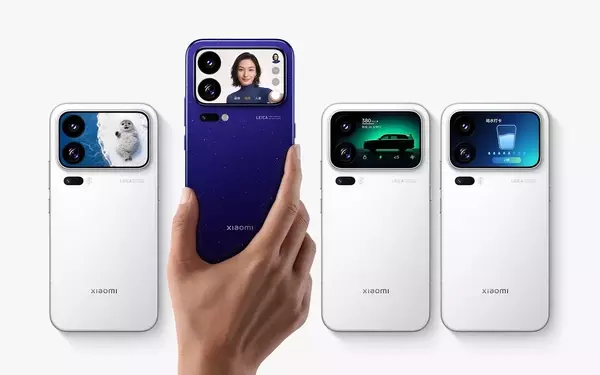
While Samsung prioritizes maximum privacy with its hardware-centric approach, competitors like Xiaomi are exploring a more balanced strategy, integrating software enhancements to improve both privacy and convenience. Xiaomi's 18 Pro series, for example, offers features such as voice-command activation, location-based triggers, and front-camera shoulder-surfer detection. These software additions allow users to dynamically adjust privacy settings based on their environment and needs, without constantly sacrificing display quality. This integrated approach suggests a potential future direction for privacy display technologies, where user convenience and optimal viewing are not entirely overshadowed by privacy concerns.
The evolving landscape of privacy display technology suggests that a purely hardware-driven solution, however effective at blocking views, might not be the most user-friendly. Xiaomi's strategy of combining physical privacy filters with intelligent software features, such as voice control and automatic activation based on location or detected onlookers, presents a compelling alternative. This blend allows for privacy on demand, minimizing the constant degradation of display quality that Samsung's aggressive hardware implementation currently entails. As the technology matures, it is anticipated that Samsung and other manufacturers will likely adopt a hybrid model, incorporating smart software to enhance the user experience while maintaining a high level of privacy, thereby addressing current concerns about eye strain, reduced clarity, and overall discomfort.