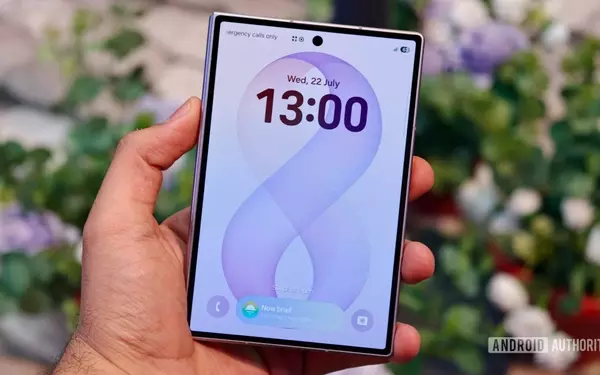
Samsung's commitment to innovation extends to its power solutions, with a recent announcement signaling a potential shift towards more widespread adoption of silicon-carbon battery technology. While initially introduced in their newest foldable smartphones, the company is now exploring the integration of these advanced batteries into a wider array of Galaxy products. This initiative is driven by a desire to optimize the user experience, carefully balancing increased energy capacity with sleek device profiles and upholding rigorous safety standards.
Samsung's Next-Generation Battery Strategy Unfolds
On July 28, 2026, following the highly anticipated unveiling of the Galaxy Z Fold 8 series, Samsung convened a private media briefing where discussions revolved around the future of their battery technology. Representatives indicated that silicon-carbon batteries, which made their debut in the Galaxy Z Fold 8 and Galaxy Z Fold 8 Ultra, might soon find their way into additional Samsung devices. This prospect hinges on the technology's ability to consistently deliver an improved overall customer experience.
The Galaxy Z Fold 8, equipped with a 4,800mAh battery, and the Ultra model, featuring a 5,000mAh capacity, represent Samsung's initial foray into this battery innovation. Notably, these devices maintain a thinner design than their predecessors, highlighting Samsung's emphasis on form factor without compromising power. Unlike some competitors who prioritize maximizing battery capacity—sometimes exceeding 7,000mAh in foldables—Samsung is adopting a more measured approach. Their focus is on enhancing energy density within existing physical constraints, ensuring both efficiency and a slender device design.
According to a report from the Korean publication Kyunghyang Shinmun, Samsung reaffirmed its core principles: safety, enduring durability, and unwavering reliability. The integration of silicon-carbon anode materials is a deliberate step to boost energy density. However, the company stressed that any future deployment of new battery technologies would only occur after they have met Samsung's stringent benchmarks for stability and earned the trust of consumers. While specific devices were not named, industry whispers suggest the Galaxy S27 series could be a prime candidate for this battery evolution, potentially making silicon-carbon technology a staple across Samsung's flagship portfolio in the coming years.
As of now, Samsung has not publicly detailed a definitive roadmap for this expansion. Nevertheless, their statements underscore a vision where silicon-carbon batteries are not merely a feature for a select few premium devices but a foundational element that will gradually permeate their product lines. This gradual integration strategy reflects Samsung's commitment to meticulous development, balancing superior battery performance with paramount safety and the aesthetic demands of modern, thinner electronics.
Samsung's thoughtful strategy regarding silicon-carbon batteries presents a compelling direction for the mobile industry. Instead of merely chasing larger numbers, their focus on balanced advancements—combining enhanced energy density with device aesthetics and an unwavering commitment to safety—could set a new standard. This approach encourages a holistic view of technological progress, reminding us that true innovation lies not just in power, but in responsible and user-centric integration.