The global non-marine retrocession sector is currently experiencing a notable shift, with market dynamics increasingly leaning in favor of those seeking coverage. According to a recent analysis by Gallagher Re, reinsurance buyers are now in a stronger position, leading to expanded acquisition of retrocessional protection and a more pragmatic approach to managing collateral. This evolving environment suggests a strategic adaptation by market participants to optimize their reinsurance arrangements.
Detailed Insights into the Evolving Retrocession Market
During the mid-year reinsurance renewal period in 2025, a significant trend emerged in the global non-marine retrocession market. Gallagher Re's comprehensive \"1st View\" report revealed that the equilibrium between supply and demand is progressively benefiting retrocession buyers. Reinsurance companies, known as cedants, have seized opportunities to enhance their retrocession purchases. A key factor contributing to this shift is the willingness of certain market players to adopt a more commercial perspective on the issue of trapped collateral.
The report highlighted a general increase in occurrence retrocession excess of loss limits. Concurrently, there was a noticeable uptick in the exploration and acquisition of aggregate and frequency covers. This strategic move by buyers is primarily aimed at effectively managing frequency risk across the remainder of 2025. Gallagher Re further elaborated that the market's supply remained robust, driven by reinsurers' ambitions for growth and a growing confidence in the reserves allocated for California wildfire claims, which spurred increased participation from established markets.
Interestingly, the impact of trapped collateral, particularly that arising from the California wildfires, had a subdued influence on the mid-year renewal outcomes. Several buyers consciously opted for a commercial approach when dealing with the rolling of collateral. This commercial stance offers mutual benefits: it enhances the efficient re-utilization of collateral, providing continuous protection for buyers, while simultaneously allowing insurance-linked securities (ILS) fund managers, who are often the source of trapped collateral, to better manage their fund capacity during the renewal season.
Given the long-standing relationships that frequently exist between buyers and retrocessionaires, adopting a pragmatic view on collateral trapping proves advantageous. This flexibility, balancing the necessity of trapping funds against the benefits of rolling collateral, fosters stronger, more enduring relationships and yields greater long-term benefits for all involved parties.
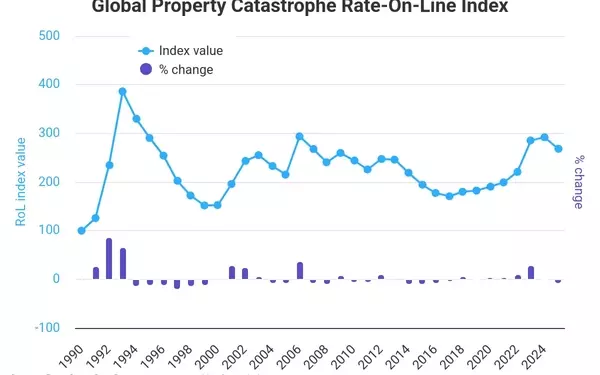
In related developments, Gallagher Re noted that while occurrence excess of loss covers continued to take precedence during retrocession renewals, there was a growing interest in indexed products. Specifically, the industry loss warranty (ILW) market experienced heightened activity in the period leading up to the Atlantic hurricane season. Furthermore, the mid-year renewals saw a reduction in risk loss-free reinsurance rates for global non-marine retrocession, ranging from -5% to -10%, with catastrophe loss-free rates declining even further, between -5% and -15%.
The softening of the catastrophe bond market, coupled with an augmented supply of capital, also contributed to reduced pricing for tail-exposed excess of loss covers. This even led to some compression in minimum rates-on-line. Finally, the report indicated a rising demand for secondary peril covers on an indexed basis, an area where market appetite continues to expand.
From a journalist's vantage point, these trends underscore a pivotal moment in the reinsurance landscape. The market's adaptability and willingness to embrace more flexible, commercially-driven solutions for collateral management signify a mature and responsive industry. This strategic pivot, particularly in the context of managing trapped capital, not only strengthens existing partnerships but also paves the way for more efficient risk transfer mechanisms. The increased focus on managing frequency risk and the growing interest in indexed products highlight an industry continually seeking innovative ways to refine its risk exposure and pricing strategies. This evolution is crucial for maintaining market stability and providing robust protection against increasingly complex global perils.