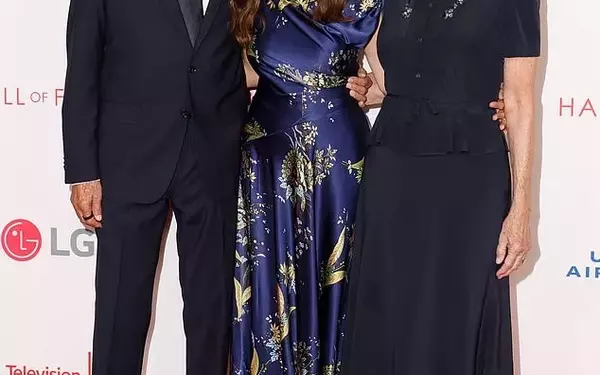
Reality TV personality Gia Fleur recently voiced her strong disapproval following her last-minute disinvitation from an event hosted by fellow cast member Julia Vogl. Fleur took to social media to share her side of the story, explaining that Vogl was reportedly pressured to rescind the invitation due to concerns from other guests regarding Fleur's attendance alongside her partner, Alan.
Fleur, recovering from an illness, expressed her annoyance at the situation, but clarified that her frustration was not directed at Julia Vogl. She highlighted that she had successfully coexisted peacefully with other former castmates, even those with whom she had previous disagreements, at a recent gathering. Fleur maintained that she had no intention of causing any disruption at Vogl's event, stating she would have simply offered polite greetings before moving on. She further suggested that those who pushed for her exclusion were exhibiting childish behavior, particularly considering their past accusations of bullying against her. Fleur cited her cordial interaction with rival Bec Zacharia and pleasant conversations with other former co-stars as evidence of her ability to move past old tensions. She stressed that people can evolve and learn from past experiences to foster normal, respectful interactions, implying her video aimed to shed light on the situation rather than ignite further disputes.
This unforeseen controversy has inadvertently overshadowed the launch of Julia Vogl's new dating card game, 'Mindgasm.' The game is a creative response to her widely mocked on-screen marriage experience, which she described as an 'expensive therapy project.' Vogl developed Mindgasm to promote deeper connections, a concept she felt was misunderstood during her time on television. While Vogl has since found happiness in a new relationship and enjoys playing the game with her partner, the public disagreement over the guest list has injected an element of drama into what was meant to be a celebratory occasion.
The incident surrounding Gia Fleur's disinvitation underscores the persistent challenges faced by reality television personalities in navigating public perception and interpersonal dynamics, long after their shows conclude. It highlights the importance of fostering understanding and moving beyond past conflicts for personal growth and harmonious interactions.