Organizers of the Reading and Leeds Festival have ignited controversy by substituting a long-standing platform for aspiring musicians with a new stage primarily showcasing offspring of celebrities, drawing accusations of favoritism. This decision has sparked considerable backlash from artists and fans alike, who contend that genuine emerging talent is being unfairly marginalized in favor of those with existing industry connections.
For nearly two decades, the BBC Introducing Stage at the festival served as a vital launchpad for unsigned acts, offering them exposure to broader audiences. Many now-renowned artists, including Charli XCX, Dave, Raye, and Florence + The Machine, honed their craft and gained early recognition on this very stage. However, this year, attendees noted its conspicuous absence, replaced by the newly introduced Canopy Stage.
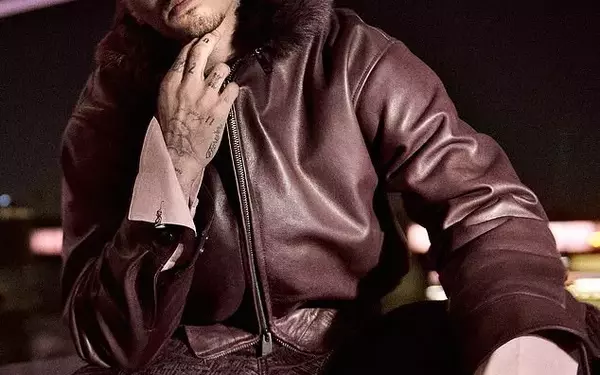
While the Canopy Stage was promoted as a haven for "new and breaking acts," its lineup predominantly featured individuals with famous lineages. Among those gracing the stage were Violet Grohl, daughter of rock icon Dave Grohl; Cruz Beckham, son of David and Victoria Beckham; Moses Martin, fronting People I've Met, with parents Chris Martin and Gwyneth Paltrow; and Gene Gallagher, son of Liam Gallagher and Nicole Appleton, leading Villanelle. The inclusion of December 10, a group discovered on Simon Cowell's Netflix series, further fueled the perception that connections, rather than raw talent, were taking precedence. This prompted festival-goers to sarcastically dub it the "Nepo Baby Stage."
Festival Republic, the company behind Reading and Leeds, defended the change by asserting it would broaden opportunities for performers. They stated that the new format allows them to book a wider array of emerging artists, unlike the previous BBC Introducing Stage, which was restricted to acts endorsed by the BBC. However, this explanation has failed to appease critics. Juliette Jackson of The Big Moon, a Mercury-nominated indie band, lamented the loss of the BBC Introducing Stage, crediting it with significantly boosting her band's career after their 2015 performance. Jason Carter, who established BBC Introducing in 2007, expressed disappointment at its removal, although he acknowledged the evolving music industry landscape and the need for festivals to adapt to new methods of discovering talent.
The impact of the BBC Introducing initiative on artists' careers is undeniable. Figures like Ed Sheeran, The 1975, and Sam Fender have all spoken about how the platform was instrumental in their early development. Ed Sheeran, for instance, uploaded his music to BBC Introducing in 2009 at age 18, leading to his first radio play a month later. By 2011, he headlined the BBC Music Introducing stage at Glastonbury and, just six years later, became a main stage headliner. In stark contrast, the artists featured on the Canopy Stage benefit from inherent advantages due to their parents' established positions in the entertainment industry.
The decision to replace the BBC Introducing Stage with one dominated by celebrity children at the Reading and Leeds Festival has sparked considerable debate. While organizers claim the move expands opportunities for new artists, many argue it instead privileges those with pre-existing connections, potentially stifling the organic growth of genuinely independent talent that the original stage championed. This shift highlights ongoing tensions within the music industry regarding meritocracy versus privilege and the challenges faced by emerging artists in gaining recognition.