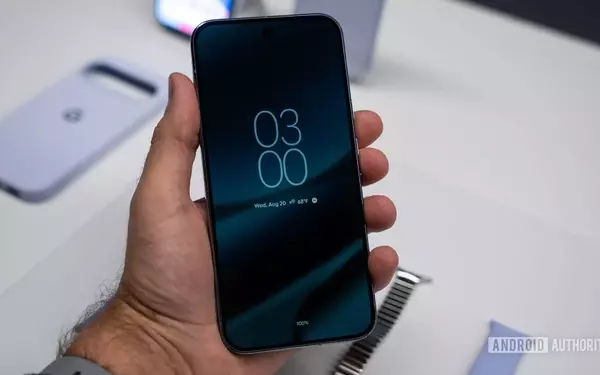
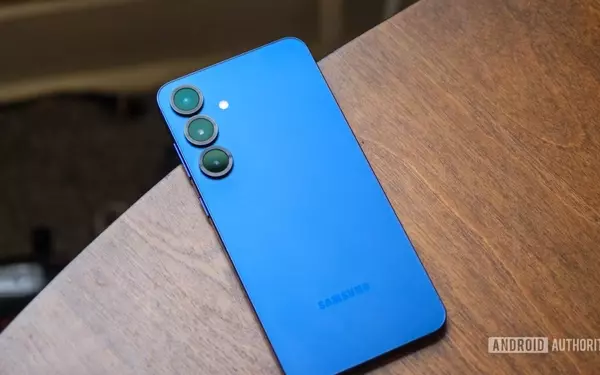
An in-depth analysis into the Google Pixel 10 series' battery performance suggests a primary culprit behind its inconsistent endurance: suboptimal cellular connectivity. While the smaller Pixel models generally manage to last a full day, users of the Pixel 10 Pro XL frequently report struggles in maintaining charge until evening. This variance spurred a detailed investigation comparing the Pixel 10 Pro XL against its predecessor, the Pixel 9 Pro XL, and the Samsung Galaxy S25 Ultra, focusing on their internal power consumption data.
Testing across various network conditions, from 5GHz Wi-Fi to a weak rural 4G+ signal, unveiled critical insights. The idle power consumption for all three devices remained consistent across both Wi-Fi and cellular connections, and all performed similarly when streaming YouTube or downloading files over Wi-Fi. However, a significant divergence emerged during cellular data use, especially under demanding loads. Both Pixel models, particularly the newer Pixel 10 Pro XL, showed a notably higher power draw than the Galaxy S25 Ultra when performing bandwidth-intensive tasks like web browsing, Zoom calls, and data downloads over 4G. This heightened consumption, averaging over 2.5W for Pixels compared to just over 2W for the Galaxy, points to a less efficient cellular modem or radio component in Google's devices, which struggles to maintain performance in challenging signal environments without excessive power usage.
The issue of increased battery drain on cellular networks, particularly in areas with weak signals where phones exert more power to maintain connection, is a known phenomenon. However, the Pixel 10 Pro XL exacerbates this problem, showing a disproportionately larger increase in power consumption on 4G compared to Wi-Fi than its predecessor or the Samsung competitor. This suggests that the device's cellular components, possibly due to software power management, thermal behavior, or firmware tuning, are not as optimized as their counterparts. The underlying cause could also involve hardware changes in the Tensor G5's radio front end or power-management IC. Until Google addresses these optimization challenges, users facing poor cellular connectivity might consider preloading media or carrying a power bank to mitigate battery anxiety.
This ongoing challenge highlights the critical balance between technological advancement and user experience. As mobile devices become increasingly integral to daily life, consistent and reliable performance, particularly concerning battery longevity, is paramount. Google's commitment to refining its Pixel series' hardware and software optimization will be crucial in overcoming these power efficiency hurdles, ensuring that innovation translates into a seamless and empowering user experience.