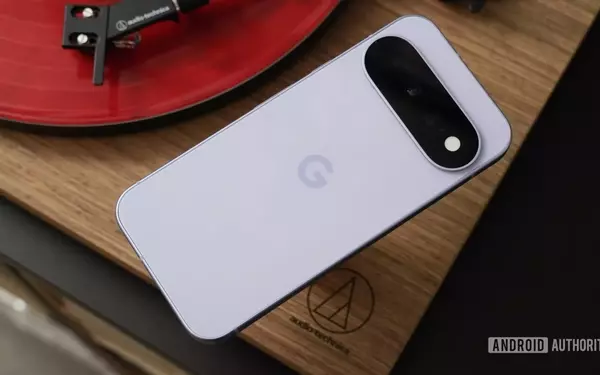
Google's Pixel line is on the verge of a significant connectivity upgrade, with the company announcing widespread VoLTE and 5G support for its Pixel 11 series in markets where these features were previously unavailable. This expansion is a direct result of a strategic collaboration with the GSMA, leveraging their Network Settings Exchange (NSX) platform. The NSX aims to simplify the process for device manufacturers to access carrier settings, thereby enabling more seamless global connectivity. While this is excellent news for owners of newer Pixel devices, there's a caveat: older Pixel models are not currently slated to receive this update, though Google has indicated that this stance could change based on the success of the current rollout. This development promises to enhance the user experience for many Pixel users, especially those who frequently travel or use imported devices.
Expanding Global Connectivity for Pixel 11
Google has recently made significant strides in enhancing the connectivity options for its latest Pixel 11 smartphones. Through a collaboration with the GSMA and the adoption of the Network Settings Exchange (NSX) platform, the Pixel 11 series is now capable of supporting VoLTE and 5G in markets that previously lacked these essential features. This advancement addresses a long-standing issue for Pixel users in unsupported regions, who often faced limitations with calling and data services. The NSX acts as a centralized hub for carriers to upload their network configurations, allowing Google to more efficiently integrate these settings into their devices. This streamlined approach bypasses the traditional, time-consuming process of individual carrier negotiations and extensive testing, making it easier for Pixel 11 devices to achieve broader network compatibility globally.
The integration of NSX means that Pixel 11 users in previously unsupported regions will no longer be deprived of crucial features like high-quality voice calls over LTE and faster 5G data speeds. While users might initially need to manually enable these features in their device settings, Google plans to monitor network performance and, where quality thresholds are met, activate VoLTE by default through future software updates. This partnership marks a pivotal moment for Pixel's global reach, promising a more consistent and robust mobile experience for its users. The groundwork laid by this initiative also hints at future expansions, including potential support for Wi-Fi Calling and VoNR (Voice over New Radio) through NSX, further bridging the connectivity gap for Pixel devices worldwide. This move is particularly beneficial for international travelers and individuals using imported Pixel devices, offering them a level of connectivity previously enjoyed primarily by users in officially supported markets.
The Road Ahead: Older Pixels and Future Enhancements
Despite the positive news for Pixel 11 owners, older Pixel models are currently excluded from this widespread VoLTE and 5G rollout. Google has explicitly stated that their immediate plans do not include extending NSX support to devices predating the Pixel 11 series, nor to their wearable devices. This decision means that users of older Pixels will continue to face the same connectivity limitations in unsupported markets. However, the company has offered a glimmer of hope, with a Google employee suggesting that if the NSX implementation on the Pixel 11 proves exceptionally successful, they might reconsider bringing this support to older models like the Pixel 10 and Pixel 10a in the future. This indicates that while there are no immediate plans, the door is not entirely closed for older devices to eventually benefit from this enhanced connectivity.
Looking beyond the current rollout, Google is also focused on expanding the capabilities offered through the NSX framework. While initial support primarily covers minimum connectivity features like VoLTE and emergency calls over LTE, the long-term vision includes enabling Wi-Fi Calling and VoNR. These features are currently "functionally" disabled but are part of Google's roadmap for future NSX updates. The company emphasizes that the quality of voice services will be a key factor in deciding when to activate these advanced features for users. This phased approach underscores Google's commitment to gradually enhancing the connectivity experience across its ecosystem. Furthermore, Google anticipates that other Android manufacturers could eventually benefit from this NSX initiative, potentially revolutionizing how all Android devices achieve global network compatibility. This broader vision suggests a future where connectivity is less fragmented and more universally accessible across the Android platform, making it easier for users to enjoy seamless communication regardless of their location or device model.