The Google Pixel 6, a device that once stirred a mixture of frustration and fondness, is now nearing the end of its official support. Yet, its significance in Google's smartphone evolution remains undeniable. This phone, despite its initial tumultuous rollout, represented a monumental shift, introducing the Tensor chip and carving out a distinct identity for the Pixel brand that persists today. It embodied Google's often-unpredictable journey in hardware development, a journey characterized by both ambitious innovation and perplexing missteps.
Before the Pixel 6, Google's smartphone division often seemed adrift. While earlier Nexus and Pixel models garnered appreciation for their pristine Android experience and exceptional cameras, the hardware itself frequently lagged behind competitors. The Pixel 2 XL, for instance, wowed users with its photographic capabilities, setting a benchmark for mobile photography. However, devices like the Pixel 4 XL, despite their charms, were hampered by limitations such as small batteries and insufficient RAM. The Pixel 5, with its mid-range aspirations, signaled a period of uncertainty, suggesting Google was struggling to find its footing in the high-end market.
The Pixel 6 was poised to change this narrative. With a groundbreaking custom chipset and a distinctive design, it promised a revitalized direction for the Pixel series. The expectation was that Google would finally establish a consistent vision, moving past its annual hardware redesigns and launching an aggressive marketing campaign to solidify its position in the smartphone landscape.
However, the launch of the Pixel 6 was far from smooth. Early adopters faced numerous issues, including unreliable fingerprint sensors and pervasive connectivity problems with Bluetooth and Wi-Fi. The initial version of Android 12 further complicated matters, but the primary culprit was the first-generation Tensor chip, which frequently overheated, leading to performance degradation and rapid battery drain. These early setbacks cast a shadow over the device, causing considerable frustration among users and establishing a pattern of hardware challenges that extended to subsequent models like the Pixel 7.
Despite these difficulties, the Pixel 6's rocky debut ultimately served as a crucible for Google's hardware ambitions. It was a necessary, albeit painful, learning experience that led to the development of more stable and refined Tensor chipsets. Subsequent generations of the Tensor chip have demonstrated significant improvements, contributing to the success of newer devices like the Pixel 8 Pro. This trajectory highlights Google's commitment to overcoming initial hurdles and refining its custom hardware.
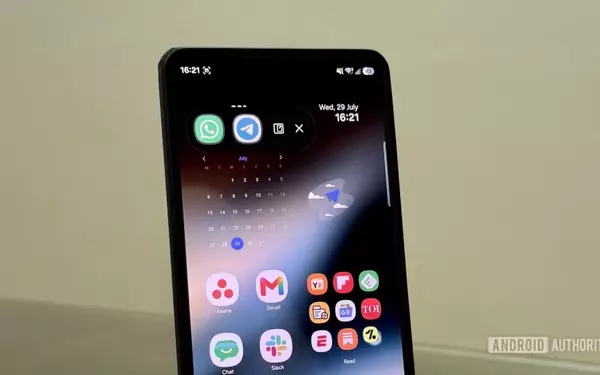
Remarkably, the Pixel 6 continues to perform well for many users, even in 2026. Running on Android 17, it boasts features like app bubbles, offering a multitasking experience that rivals some contemporary flagship phones. Its performance remains fluid for everyday tasks, and the previous overheating issues have largely been resolved through software updates. While its battery life may not match modern standards, the robust software experience compensates for this. Though it won't receive the full suite of Gemini AI features, its camera capabilities are still commendable, and its design offers a comfortable in-hand feel.
The Pixel 6 may not be a recommended purchase for new users in 2026, but for those who have kept it or consider it a backup, it still offers considerable utility. Its journey, from a problematic launch to a surprisingly resilient device, mirrors Google's broader efforts in the hardware sector. While Google's Pixel line may polarize enthusiasts, the company's perseverance has allowed it to carve out a unique niche in the competitive smartphone market, offering value through software innovation rather than solely relying on raw specifications. The Pixel 6, initially priced at a more accessible $600, also serves as a reminder of a bygone era of smartphone affordability.
The Google Pixel 6's journey, from a challenging beginning to an enduring presence, reflects Google's overall trajectory in the hardware domain. It underscores the company's determination to innovate and improve, even when faced with significant obstacles. While not without its flaws, the Pixel line has ultimately found its distinctive path, demonstrating that Google's commitment to its hardware vision, however arduous, has borne fruit, even if its value proposition isn't universally appreciated.