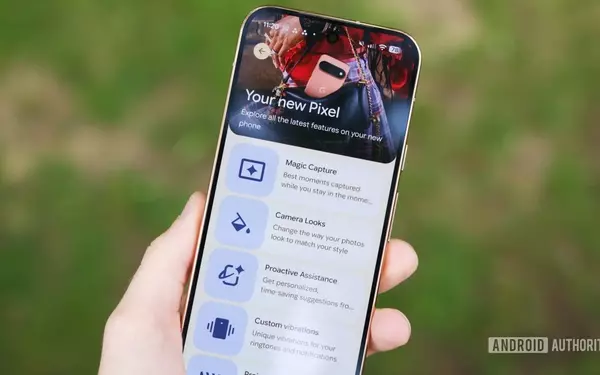
The recent launch of the Pixel 11 Pro has sparked considerable debate regarding the future trajectory of Android device upgrades. While the device itself presents some contentious points, such as a price increase coupled with reduced RAM in the base Pro models, the underlying strategy Google appears to be adopting is far more significant. This new approach seems designed to accelerate the consumer upgrade cycle, not by making older phones obsolete in terms of core functionality, but by selectively withholding advanced software features, particularly in the realm of artificial intelligence.
Google's emphasis has shifted from pure hardware specifications to an "experience-driven" sales model. The company, through the Pixel 11 Pro, showcases its Tensor G6 chipset's improved TPU capabilities, highlighting innovative AI features like "Google Rambler." This tool, designed to transform disorganized thoughts into polished text, exemplifies the type of advanced functionality that will likely become exclusive to newer hardware. This selective rollout of features, ostensibly due to chipset requirements, creates a compelling incentive for users to purchase new devices, even if their current phones remain perfectly functional for everyday tasks.
This trend is not unique to Google. Samsung previously attempted a similar strategy with the Galaxy S24 Ultra, initially claiming that its advanced AI features would be unavailable on models lacking the Snapdragon 8 Elite chipset. Such moves leave consumers feeling frustrated, as their relatively new and powerful devices are arbitrarily deemed incapable of running the latest software innovations. In an era where smartphone hardware far exceeds the needs of most users, and computational photography has minimized the differences in camera quality across price points, manufacturers are compelled to find novel ways to stimulate upgrades. The strategic gating of AI features, therefore, emerges as a potent new lever.
However, Google has demonstrated some flexibility in the past. For instance, the Pixel 8, despite initial limitations, eventually received some AI functionalities through cloud-based solutions. While these cloud-dependent features might offer slower performance or reduced security compared to on-device processing, they at least provide an alternative for users unwilling to upgrade immediately. The concern now is that Google might leverage such workarounds to introduce subscription models for accessing these advanced AI capabilities on older devices, mirroring practices seen in other industries where users pay for firmware updates to unlock new functionalities on existing hardware.
The increasing sophistication and utility of AI features, exemplified by tools like Rambler, suggest that they will soon become indispensable to a broad user base. As Google continues to integrate such compelling AI experiences into its Pixel ecosystem, consumers may find themselves in a precarious position, effectively compelled to upgrade their devices far more frequently than historical usage patterns would dictate. This could lead to a future where smartphone ownership increasingly resembles a lease agreement, where continuous access to the latest and most desirable features necessitates a constant cycle of acquiring new hardware.