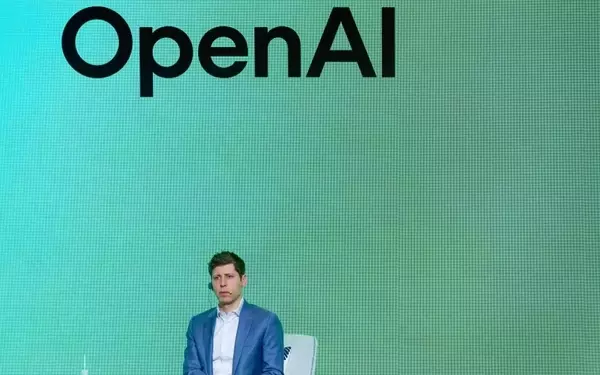
The United States government's defense sector is making a significant investment in artificial intelligence, distributing substantial contracts to prominent technology corporations. This strategic allocation aims to integrate advanced AI solutions across various governmental and military functions, fostering a competitive environment among leading developers to cultivate the most effective tools for national security and broader public service applications.
Defense Department Enlists Top AI Innovators for Critical Operations
In a groundbreaking move, the U.S. Department of Defense has announced the allocation of significant AI development contracts, potentially valuing up to $800 million in total. These lucrative agreements, each worth up to $200 million, have been awarded to four of the artificial intelligence sector's most influential entities: Google, OpenAI, Anthropic, and Elon Musk’s xAI. This decision, publicly unveiled on the 15th of July, 2025, marks a pivotal moment in the integration of cutting-edge AI into the nation's defense and governmental infrastructure.
Dr. Doug Matty, the Chief Digital and AI Officer for the Department, articulated the rationale behind this initiative. He emphasized that embracing artificial intelligence is crucial for enhancing the military's capacity to support its personnel and preserve a strategic advantage against potential adversaries. By adopting commercially available solutions and integrating them into a cohesive framework, the Department anticipates an accelerated deployment of sophisticated AI across essential military domains, intelligence operations, and enterprise information systems.
The Pentagon's approach is a testament to calculated risk management; rather than entrusting a single provider, they are cultivating a dynamic competitive landscape. This multi-vendor strategy is designed to spur innovation, ensuring that the armed forces and other federal agencies have access to the most superior and reliable AI technologies. This comes at a time when companies like xAI are specifically tailoring their offerings, such as 'Grok For Government,' for public sector use, following similar initiatives by OpenAI and Anthropic.
However, the widespread adoption of AI in such critical sectors is not without its challenges. Past instances of AI systems producing unexpected or erroneous outputs, such as a recent incident involving xAI's 'Grok' chatbot, highlight the imperative for robust ethical guidelines and stringent testing. When the stakes involve national security, the reliability and accuracy of AI tools become paramount. The partnership with the General Services Administration facilitates access to these AI capabilities for all federal agencies, ranging from law enforcement to agricultural departments, underscoring the broad applicability and necessity of these tools.
Ultimately, the Department of Defense is embarking on a high-stakes endeavor, betting that by diversifying its AI partnerships, it can mitigate risks while harnessing a wide array of technological strengths. The success of this ambitious undertaking will hinge on the ability of these AI tools to consistently deliver on their complex promises without the unpredictable malfunctions that could compromise crucial operations.
From a journalist's perspective, this announcement signifies a profound shift in the landscape of national defense and technological innovation. It illustrates the growing recognition that artificial intelligence is not merely a tool for efficiency but a fundamental component of future strategic capabilities. The substantial investment underscores a clear message: the U.S. government is committed to maintaining its technological leadership by actively engaging with the private sector's most advanced AI research and development. However, the ethical implications and potential for unforeseen failures, as evidenced by past AI glitches, necessitate a vigilant and adaptable oversight framework. The balance between rapid deployment of groundbreaking technology and ensuring its absolute reliability and ethical alignment will be the defining challenge for both the developers and the governmental entities implementing these powerful new systems. The outcome of this initiative will undoubtedly shape global defense strategies and the future of human-AI collaboration.