The Oppo Pad 5 enters a fiercely competitive budget tablet market, positioned as a media-centric device. It delivers a compelling visual and auditory experience with its expansive 12.1-inch LCD screen and quad-speaker setup. However, this appeal is somewhat diminished by its considerable weight and a processor that struggles with intensive applications, especially when compared to rivals in the same price range. The tablet's software, ColorOS 16.1, offers a clean and generally responsive interface, though it lacks strong AI integration and future Android updates are limited. Despite good battery endurance, its charging technology is noticeably slow.
Ultimately, the Oppo Pad 5 carves out a niche for users primarily seeking an affordable device for streaming and browsing. Its strengths lie in its display quality and sound, making it suitable for casual entertainment. Yet, those requiring robust performance for gaming or productivity, or desiring stylus integration, may find more capable options from competitors. The tablet's design choices, such as a plastic back and a heavy build, also place it at a disadvantage against similarly priced devices that offer more premium materials and better ergonomics.
Display and Audio Experience
The Oppo Pad 5 distinguishes itself through its impressive display and audio capabilities, making it a compelling choice for consumers prioritizing media consumption. The tablet features a substantial 12.1-inch LCD panel, which, despite not being an OLED, delivers vivid and punchy colors. Users can adjust color profiles, such as switching to a more natural mode from the default vivid setting, to suit their preferences. The screen resolution of 2800 x 1980 (2.8K) ensures sharp visuals, though it doesn't quite match the higher pixel density of some competitors. A 120Hz refresh rate contributes to smooth scrolling and a fluid user experience, which is more than adequate for a tablet, especially given that it's not designed for high-frame-rate gaming. Complementing the visual experience, the integrated quad speakers provide clear and spacious audio, enhancing movie watching and music listening, solidifying the tablet's role as a personal entertainment hub.
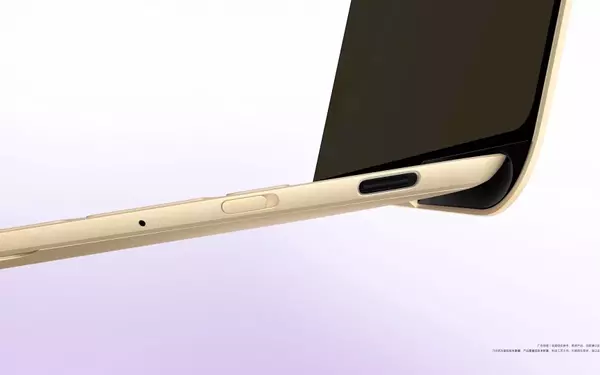
While the display and audio are significant selling points, the Oppo Pad 5's design and the absence of a bundled stylus present some drawbacks. The tablet features a design reminiscent of Apple's iPad, with flat edges and rounded corners, but incorporates a plastic back panel that attracts fingerprints. Its weight of 597g is notably heavy for a device of its size and construction, especially when compared to competitors like the Xiaomi Pad 8 and Lenovo Idea Tab Pro 2, which offer lighter, all-metal designs. A key frustration is the lack of availability for the compatible Oppo Pencil 2R stylus in the UK, making the advertised stylus support impractical for many users. This oversight means that those seeking a tablet for drawing or note-taking might need to look at alternatives that either include a stylus or make it readily available as an accessory.
Performance and Software Limitations
The Oppo Pad 5 incorporates a MediaTek Dimensity 7300-Ultra processor, paired with 8GB of RAM, which positions it as a mid-range contender rather than a performance powerhouse. While this chipset is adequate for everyday tasks like web browsing, email, and light app usage, it noticeably underperforms when faced with more demanding applications or intensive multitasking. During tests, the tablet struggled with graphically intensive games, requiring settings to be lowered for smoother play. This performance gap becomes particularly apparent when comparing it to rivals such as the Xiaomi Pad 8 and Lenovo Idea Tab Pro 2, which utilize more capable Snapdragon 8s Gen 4 chips, offering significantly better benchmark scores. The inherent limitations of its processor mean that users seeking a device for heavy gaming or professional productivity tasks might encounter frustrating delays and slower response times.
On the software front, the Oppo Pad 5 runs on ColorOS 16.1, built upon Android 16. This custom UI generally offers a clean and responsive experience for basic navigation, with minimal pre-installed third-party bloatware. However, the user interface design can be somewhat cluttered, as evidenced by duplicate weather widgets on the home screen. While Oppo provides necessary security updates for a commendable six years, the tablet is expected to receive only two major Android updates, limiting its long-term software relevance compared to devices offering more extensive update policies. The integrated AI features, such as transcription and translation, are functional but not particularly groundbreaking. The AI Studio app, intended for creative image transformations, is poorly implemented, requiring a separate app download and lacking clear guidance, which diminishes its utility and overall user experience. The 128GB of internal storage is standard but limited, with no options for expansion, which could be a concern for users with large media libraries or numerous applications.