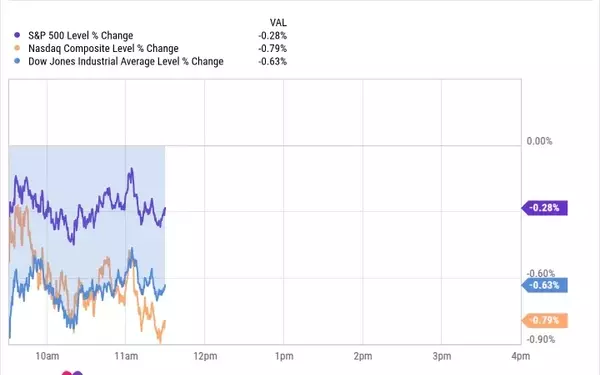
Approaching retirement is a significant life milestone, often meticulously planned over decades. However, the unexpected volatility of the stock market can cast a shadow over these plans, especially if a downturn occurs just as one is preparing to leave the workforce. The prospect of retiring into a depreciating market can be daunting, raising concerns about the long-term viability of one's savings. This situation prompts many to reconsider their retirement timelines, fearing that selling assets at a loss could irrevocably damage their financial future. Nevertheless, postponing retirement isn't always the necessary or only course of action. With astute financial planning and strategic resource management, it is entirely possible to navigate such market conditions successfully and adhere to your original retirement schedule.
The ability to retire as planned, even in the face of a market downturn, largely hinges on the structure of one's financial portfolio and the implementation of a well-thought-out income strategy. By preparing adequately, individuals can create a buffer that shields their retirement funds from immediate market shocks. This involves more than just accumulating wealth; it requires a deliberate approach to how that wealth is distributed and accessed. Understanding the interplay between market performance, personal spending needs, and available financial instruments like cash reserves and Social Security can empower retirees to make informed decisions that secure their financial independence, irrespective of the broader economic climate.
Strategic Financial Distribution for Retirement Stability
The ability to retire successfully during a stock market downturn significantly relies on the strategic allocation of your financial resources. If a substantial portion of your retirement funds is heavily invested in the stock market, an untimely crash could indeed disrupt your plans. However, by establishing a robust cash cushion and a safety margin, you might not have to delay your retirement even if the market experiences a decline. This foresight in planning allows for greater flexibility and resilience against unforeseen economic shifts, ensuring that your financial well-being remains protected.
Consider a scenario where annual expenses are approximately $100,000 from a $2.5 million portfolio, representing a 4% withdrawal rate—a figure historically considered safe by financial experts. The challenge arises if meeting this annual need requires selling assets when their value has substantially decreased, potentially jeopardizing the long-term health of your portfolio. Conversely, if you have proactively allocated a portion, perhaps $300,000, into cash reserves, you could cover three years of living expenses without liquidating any depreciated investments. This strategy underscores the importance of diversifying your assets away from solely market-dependent investments as retirement approaches. Financial advisors frequently advocate for a gradual shift towards more conservative assets, like bonds, and accumulating sufficient cash to weather market volatility. Furthermore, utilizing Social Security benefits can considerably alleviate the pressure on your investment portfolio. For instance, a couple receiving $80,000 annually from Social Security could significantly reduce the amount needed from their investments, making a market downturn much more manageable without altering their retirement schedule.
Maintaining Your Retirement Timeline Amidst Market Fluctuations
The timing of a stock market crash just before retirement can feel like unfortunate bad luck, an event beyond personal control. While indeed you cannot dictate market movements, you possess considerable influence over your portfolio's structure and your response to such events. This proactive control over your financial strategy is paramount to ensuring your retirement plans remain on track, regardless of external economic conditions.
Effectively managing your asset allocation, particularly as you near retirement, is crucial. Maintaining adequate cash reserves and a strategic bond allocation can provide the necessary stability to proceed with your retirement as scheduled, even if market conditions are less than ideal. These reserves act as a buffer, allowing your equity investments to recover without forcing you to sell them at a loss. Moreover, strategically incorporating Social Security benefits into your retirement income plan can serve as a powerful lever, reducing your reliance on volatile investment returns. This comprehensive approach, combining careful asset distribution with the intelligent use of guaranteed income sources, empowers you to navigate market downturns with confidence, safeguarding your long-term financial security and enabling you to realize your retirement aspirations without unnecessary delays.