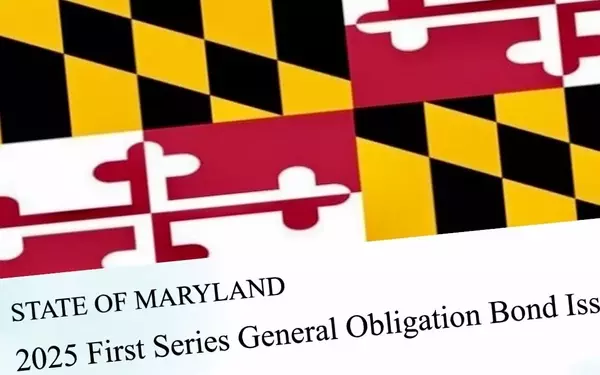
After a long period of speculation, Maryland has officially lost its prestigious triple A bond rating as Moody’s adjusted the state's creditworthiness to Aa1. This downgrade marks the end of over three decades during which Maryland maintained the highest possible bond rating. The change will result in higher borrowing costs for public projects, impacting taxpayers significantly. The decision follows a challenging legislative session where Democrats, controlling both the General Assembly and the governorship, approved $1.6 billion in new tax and fee increases amid a $3.3 billion budget deficit.
The downgrade announcement has sparked political debate, with Democratic leaders blaming federal policy changes under President Trump for the economic strain on Maryland. Meanwhile, Republicans criticize excessive spending by Governor Wes Moore and his administration, arguing that Maryland's financial challenges predate recent federal actions. Both sides present their arguments while the next public bond sale looms, scheduled for June 11.
Credit Downgrade and Its Financial Ramifications
The downgrade from triple A to Aa1 by Moody’s is a significant shift that alters Maryland's financial landscape. Historically, the top-tier bond rating enabled Maryland to secure loans at the lowest possible rates for various public initiatives. With the new rating, borrowing costs are expected to rise, placing an additional burden on taxpayers. This financial adjustment comes after a contentious legislative session focused on addressing a substantial budget shortfall through increased taxes and fees.
For decades, Maryland's triple A bond rating symbolized fiscal responsibility and stability. However, the recent downgrade reflects concerns about the state's ability to maintain this reputation amidst growing deficits. As Moody’s highlights, Maryland remains highly vulnerable to federal funding cuts due to its large population of federal employees. Consequently, any future state expenditure on infrastructure, such as schools, roads, or bridges, will now require more substantial taxpayer contributions. The implications extend beyond immediate project costs, potentially affecting long-term investment strategies and economic growth prospects within the state.
Political Controversy Surrounding the Decision
In response to the downgrade, Maryland's political factions have taken opposing stances. Democratic leadership attributes the issue to external factors, particularly federal policies under President Trump. They argue that recent federal decisions have destabilized regional economies, including Maryland, leading to job losses and budget constraints. In contrast, Republican critics point fingers at Governor Wes Moore's administration for unchecked spending habits, suggesting that these practices set the stage for the current financial predicament before recent federal shifts occurred.
This divide underscores deeper tensions within Maryland politics regarding fiscal management and economic strategy. While Democrats emphasize the creation of nearly 100,000 jobs and low unemployment rates as evidence of strong economic momentum, Republicans highlight warnings from former Governor Larry Hogan about depleting the state's surplus. The disagreement extends beyond rhetoric, influencing how Maryland plans to address its financial challenges moving forward. As the next public bond sale approaches, stakeholders must grapple with these differing perspectives to chart a sustainable path for the state's future. The outcome will likely shape Maryland's economic trajectory and influence discussions around fiscal discipline nationwide.