This compilation of leading AI news provides a comprehensive overview of significant developments across various sectors, ranging from enhanced safety protocols and innovative employment tools to strategic corporate shifts and landmark legal settlements. These narratives underscore the rapid evolution and growing influence of artificial intelligence in shaping our technological landscape and daily lives. The insights cover a spectrum of topics crucial to understanding the current trajectory of AI. Each segment offers distinct yet interconnected perspectives on how AI continues to integrate into and redefine our world.
Key advancements include measures by OpenAI to bolster user safety, particularly for younger demographics, responding to critical societal concerns. Meanwhile, new AI-driven platforms are transforming the recruitment industry, benefiting both job seekers and employers. Major players like Tesla are recalibrating their long-term visions around AI and robotics, signaling profound shifts in their core strategies. Furthermore, the industry is grappling with complex legal challenges, as evidenced by a substantial settlement concerning AI training data, highlighting the ongoing debate around intellectual property and fair use in the age of artificial intelligence. These diverse updates collectively paint a picture of a dynamic and rapidly expanding AI ecosystem.
Advancements in AI Safety and Job Search Solutions
OpenAI has recently introduced new safety measures specifically designed for its teenage users, including enhanced parental controls and a system to redirect sensitive conversations to more advanced reasoning models. This significant update comes in the wake of a wrongful death lawsuit, which alleged that the company's chatbot played a role in a user's suicide. OpenAI's response highlights a growing commitment to user safety, particularly for vulnerable demographics, acknowledging that existing safeguards can sometimes fail. The company also plans to implement reminders for users to take breaks from extended use, further emphasizing a responsible approach to AI deployment. These changes reflect a proactive effort to address the ethical implications and potential risks associated with powerful AI technologies, aiming to create a safer digital environment for younger users.
In parallel, Indeed, a prominent job search platform, has rolled out two innovative AI agents: Indeed Career Scout for job candidates and Indeed Talent Scout for employers. These tools are designed to tackle common challenges in the recruitment process, such as helping job seekers identify suitable career paths based on their skills and assisting employers in making high-quality hires. Indeed Career Scout functions as a virtual career coach, offering personalized advice on career exploration, resume building, company research, and even simplifying job application procedures. The introduction of these AI agents signifies a major step towards optimizing the hiring ecosystem, making it more efficient and user-friendly for both parties involved. These advancements underscore the practical applications of AI in streamlining complex human resource processes and improving overall market efficiency.
Strategic Shifts in AI Development and Legal Precedents
Tesla has unveiled its latest Master Plan, a strategic blueprint that places artificial intelligence and robotics at its core. This announcement, made on X, signals a definitive direction for the automotive and technology giant, emphasizing its commitment to AI-driven innovation. This fourth iteration of the Master Plan follows previous versions that have guided Tesla's trajectory for nearly two decades, with earlier plans issued in 2006, 2016, and April 2023. The relatively short interval of 29 months between the third and fourth plans highlights the accelerated pace of change within the tech landscape and underscores Tesla's dynamic adaptation to emerging technologies. While the plan positions Tesla at the forefront of physical AI and robotics, some critics suggest that the frequent updates and the broader focus may indicate a potential dilution of CEO Elon Musk's previous concentrated efforts, raising questions about the company's long-term focus amidst rapid industry shifts.
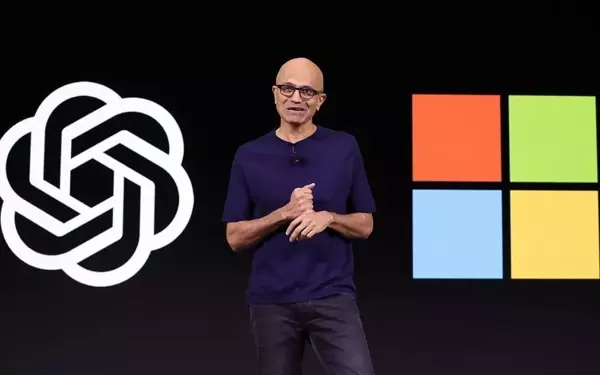
Simultaneously, the relationship between Microsoft and OpenAI appears to be evolving towards greater independence for both entities. Reports indicate that OpenAI has signed a significant agreement to access Oracle compute resources, a deal potentially worth billions, which seems distinct from their previous collaborations. This move suggests OpenAI's intent to diversify its infrastructure and potentially reduce reliance on Microsoft's Azure cloud services. On Microsoft's side, there are unconfirmed reports that it might incorporate technology from Anthropic, a rival AI company, into its Office 365 applications, moving beyond an exclusive reliance on OpenAI's models. Should these developments prove true, they would signify a notable shift in the strategic alliances that have defined the AI industry. Furthermore, Anthropic recently agreed to a landmark $1.5 billion settlement in a class-action lawsuit filed by authors and publishers. The lawsuit alleged unauthorized use of copyrighted material to train Anthropic's AI models, including its Claude chatbot. While a federal judge previously indicated that training AI models with books might not violate copyright law, the settlement still awaits judicial approval, highlighting ongoing legal complexities and setting a significant precedent for intellectual property rights in the burgeoning field of artificial intelligence.