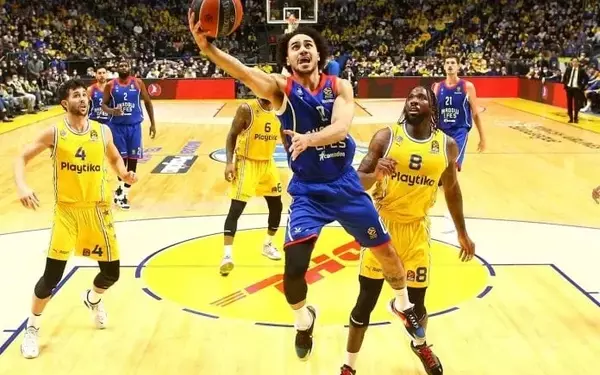
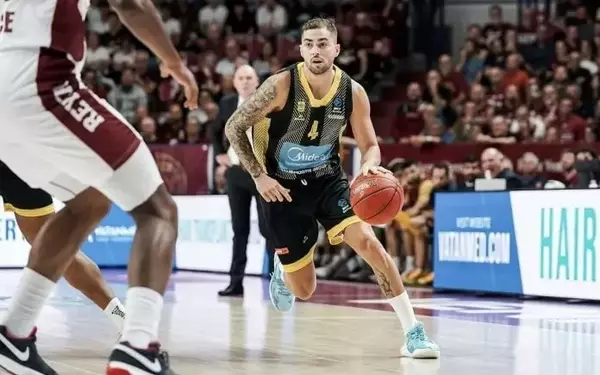
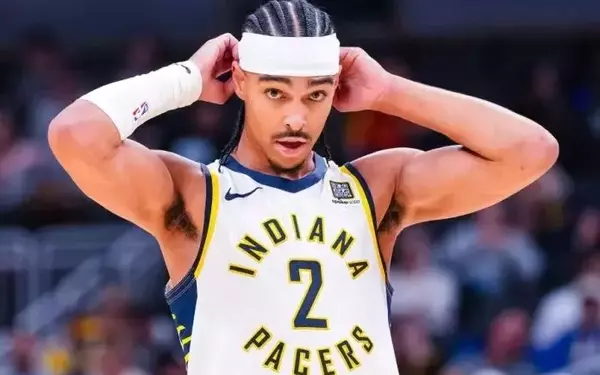
The New York Knicks are currently navigating a complex roster situation, aiming to integrate veteran talent while adhering to stringent salary cap limitations. The team's primary goal is to retain both Malcolm Brogdon and Landry Shamet for the upcoming season, a move that is expected to trigger a trade to create the necessary financial flexibility. This decision reflects the Knicks' strategic balancing act between securing experienced players and fostering the growth of their promising young prospects. The ongoing competition for roster spots, involving several non-guaranteed contracts, is set to continue through training camp as the team evaluates health, performance, and future rotational needs.
New York Knicks' Roster Strategy: Balancing Veterans and Cap Space
In a significant development for the New York Knicks, as reported by Stefan Bondy of the New York Post, the organization is committed to securing Malcolm Brogdon and Landry Shamet on their 15-player roster for the season opener. This ambitious goal will almost certainly require the Knicks to execute a trade, as they currently operate under a hard cap, unable to exceed the $207.8 million second tax apron. The team's current financial standing allows for only one additional veteran camp invitee to be added to the regular-season lineup.
Both Brogdon and Shamet, among other veterans such-as Garrison Mathews, Matt Ryan, and Alex Len, have joined the Knicks on non-guaranteed contracts, reportedly turning down other opportunities due to their confidence in securing a spot. This suggests a mutual understanding of their potential roles and the team's interest in their contributions. The intense competition for these coveted roster spots is anticipated to extend deep into the training camp period.
The Knicks' cautious approach is strategic; they plan to assess the health and performance of all contenders, particularly Brogdon, who is looking to rebound from a challenging season with the Washington Wizards where he appeared in only 24 games. This patient evaluation process also offers other invitees a fair chance to demonstrate their value to the team.
Regarding potential trade candidates to free up salary space, Miles McBride's name has emerged as a possibility. Despite averaging 24.9 minutes per game last season, McBride's playing time could diminish with established starters like Jalen Brunson and Mikal Bridges, coupled with the acquisition of Jordan Clarkson and the potential retention of Brogdon and Shamet. Furthermore, McBride's eligibility for a contract extension next summer, and his potential to become an unrestricted free agent in 2027, adds another layer of complexity. With existing long-term salary commitments, extending McBride might further constrain the team's cap flexibility.
Other players who could be part of a trade include Pacome Dadiet and Tyler Kolek. However, neither is expected to command the same trade value as McBride. The Knicks have openly prioritized player development, with Dadiet, their 2024 first-round draft pick, being identified as having significant future potential among the younger reserves. Kolek, a 2024 second-rounder earning $2.19 million, would offer minimal salary relief if traded, leaving the team with a mere $44,000 below the second tax apron.
The current situation highlights the New York Knicks' delicate balancing act: integrating seasoned talent, managing financial restrictions, and nurturing their promising younger players. The ultimate decisions are not expected until late in training camp, contingent on player health, on-court performance, and the final structure of the team's rotation heading into the demanding regular season.
This ongoing roster maneuvering by the Knicks offers an intriguing glimpse into the strategic complexities faced by NBA franchises. The commitment to retaining experienced players like Brogdon and Shamet, despite the financial hurdles, underscores the perceived value they bring to a competitive roster. However, this also presents a critical challenge for the coaching staff and front office: how to best integrate new talent while ensuring existing players remain motivated and productive. The delicate balance between immediate competitiveness and long-term player development is a constant tightrope walk, and the outcomes of these decisions will undoubtedly shape the team's trajectory for the upcoming season and beyond. It serves as a reminder that every roster decision, from drafting to trading, is interconnected and has far-reaching implications for a franchise's success.