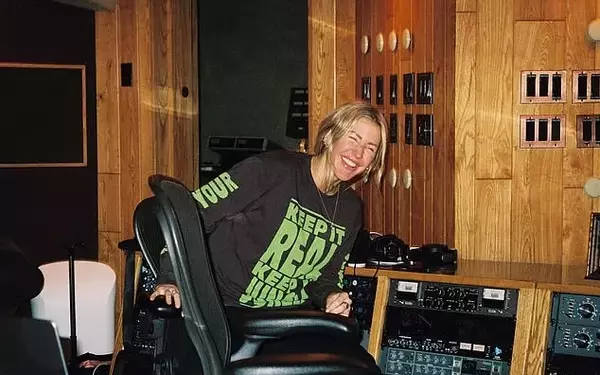
Jenelle Evans, known from 'Teen Mom 2', has ignited considerable debate by opting to homeschool her two younger children. Her decision stems from a combination of concerns, including her son Kaiser's repeated experiences with bullying in traditional school settings and her ongoing battle with Complex Regional Pain Syndrome (CRPS), a debilitating chronic pain condition. Evans clarified that her approach to homeschooling largely involves facilitating an online curriculum, stating, 'I just put them on the computer.' This method, she asserts, not only addresses the children's social well-being but also accommodates her health limitations and allows for greater family flexibility, including travel opportunities. The announcement has met with varied responses from the public, with some supporting her parenting choices and others questioning the effectiveness and dedication involved in computer-based homeschooling.
The controversy surrounding Evans's homeschooling method highlights broader societal discussions about educational alternatives, parental involvement, and the challenges families face when traditional schooling proves unsuitable. Her transparency regarding Kaiser's bullying and her CRPS diagnosis has shed light on the complex factors that can influence such significant family decisions. While some critics have voiced skepticism about her hands-on involvement, citing her remark about simply placing children in front of a computer, others commend her for prioritizing her children's emotional health and adapting to her physical condition. This ongoing public discourse underscores the diverse perspectives on modern education and the evolving definitions of what constitutes effective and supportive learning environments for children.
Parental Choices and Educational Alternatives
Jenelle Evans, a figure known from 'Teen Mom 2', has publicly articulated her reasons for transitioning her two younger children, Kaiser and Ensley, to a homeschooling model. This decision was primarily influenced by her son Kaiser's persistent struggles with bullying across various schools, and her own diagnosis of Complex Regional Pain Syndrome (CRPS). The condition, characterized by severe and prolonged pain, significantly impacts her ability to manage daily school drop-offs and pick-ups, which previously consumed several hours of her day. Evans states that homeschooling, facilitated through an online program, provides a solution that addresses both Kaiser's emotional well-being and her health-related limitations, offering a more flexible and controlled educational environment for her family.
The decision to homeschool has drawn a spectrum of reactions from the public. Evans detailed in an Instagram video that her role in their education is primarily supervisory, ensuring they access their lessons via computer. This revelation sparked discussions, with some observers questioning the depth of her involvement and comparing it to remote learning rather than traditional homeschooling. Conversely, supporters have lauded her for taking proactive steps to shield her child from bullying and for finding a workable solution given her health challenges. This situation encapsulates the ongoing debate regarding personalized education and how families adapt to unique circumstances outside conventional schooling systems.
Addressing Challenges: Bullying and Health
A significant impetus behind Jenelle Evans's choice to homeschool was her son Kaiser's distressing experiences with bullying. She noted that Kaiser faced bullying incidents in multiple locations, including Las Vegas and North Carolina, leading her to seek an educational environment where he would feel safer and more supported. This focus on protecting her child's emotional and psychological health resonated with many parents who understand the profound impact bullying can have on a child's development and academic engagement. By removing him from a public school setting, Evans aimed to create a more nurturing space free from negative social pressures, allowing him to concentrate on his studies and personal growth.
Furthermore, Evans's personal health concerns played a crucial role in her decision. Her diagnosis of CRPS, a chronic condition causing severe pain, made the logistical demands of school commutes – which involved extensive driving every day – untenable. The flexibility offered by homeschooling, particularly with an online curriculum like Acellus, enables her to manage her pain while still overseeing her children's education. This adaptive approach underscores the necessity for modern educational systems to accommodate diverse family needs, whether arising from health issues, safety concerns, or a desire for greater control over the content and pace of learning. While some critics questioned the practicalities of her method, her explanation highlighted a genuine effort to provide the best possible environment for her children given her circumstances.