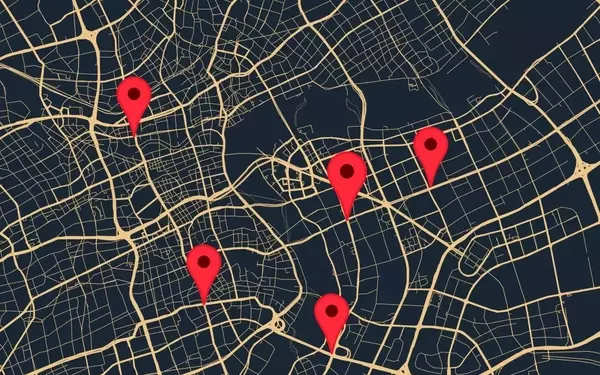
Instagram has introduced significant enhancements to its Map feature, aiming to provide users with greater clarity regarding their location-sharing settings. These updates, following a period of user confusion after the initial rollout in North America and its recent expansion to India, include more visible indicators and content previews to ensure users are fully aware of when and how their location information is being used.
Instagram's Evolving Map: A Focus on User Awareness and Privacy
On Monday, October 6, 2025, Instagram unveiled several key updates to its Map functionality. The social media giant, headquartered in Menlo Park, California, and owned by Meta Platforms, announced these changes in response to widespread user concerns and misunderstandings that arose after the Map feature's debut in the United States and Canada in August 2025. Following its successful integration in these regions, the feature has now been extended to users in India, marking a broader international deployment.
The initial launch of the Map feature, which closely resembles Snapchat's Snap Map, sparked considerable debate across social media platforms. Many users mistakenly believed that the feature automatically enabled real-time location sharing, leading to a flurry of posts advising others to disable their location settings. Adam Mosseri, the head of Instagram, promptly addressed these concerns, clarifying that location sharing is an opt-in feature, meaning users retain full control over its activation.
To further alleviate privacy worries and enhance user understanding, Instagram has implemented several modifications. A more prominent indicator now appears at the top of the Map interface, unequivocally informing users whether their location is being shared or if their device's location services are entirely turned off. Additionally, a new visual cue has been added beneath users' profile pictures in the Notes section of the Direct Messages (DMs) page, specifically designed to indicate when location sharing is inactive.
Another area of confusion centered on location tags in posts. Users often assumed that tagging a location in their stories, Reels, or regular posts automatically broadcasted their real-time whereabouts on the Map. However, this was not the case; the feature simply aggregated content linked to specific locations. To dispel this misconception, Instagram has removed profile photos from Map content previews. This adjustment aims to clarify that the presence of content on the Map does not imply real-time tracking of the user's current location.
Furthermore, Instagram will now display an educational pop-up notification. This reminder will inform users that any content they post with a location tag—be it a story, Reel, or photo—will be visible on the Map. While location tagging has always been a part of Instagram's ecosystem, this explicit notification reinforces the connection between content and geographical data. To complement this, a new preview function has been introduced, allowing users to visualize exactly how their content will appear on the Map before it is published, ensuring full transparency.
The Map feature, designed to help friends coordinate meet-ups and discover location-based content from their network, represents Instagram's continued strategy of incorporating popular functionalities from competitor platforms. This move echoes Instagram's earlier integration of the 'Stories' feature, a direct response to Snapchat's success in 2016. Regardless of individual location-sharing preferences, all users can still utilize the Map to explore and engage with geographically tagged content shared by others.
These updates underscore Instagram's commitment to user privacy and clear communication, as it navigates the complex landscape of location-based social features.
The recent enhancements to Instagram's Map feature highlight a crucial lesson for social media platforms: transparency and clear communication are paramount when introducing features that involve user data, especially location information. The initial confusion and subsequent updates demonstrate the importance of anticipating user concerns and proactively addressing them. This situation also reminds us that users are increasingly privacy-conscious and expect platforms to provide intuitive controls and straightforward explanations regarding their data. Moving forward, social media companies should prioritize user education and clear opt-in mechanisms to build trust and foster a more secure digital environment.