The Google Pixel 11 Pro XL enters the market as a formidable contender, boasting top-tier hardware and an array of sophisticated AI-driven functionalities. Despite its premium build and innovative software integration, the device's camera performance, particularly in challenging low-light conditions, presents a notable area for improvement. This comprehensive overview explores the Pixel 11 Pro XL's design, technical specifications, and AI capabilities, while offering a critical assessment of its photographic prowess.
Google has consistently positioned its Pixel Pro series at the forefront of Android innovation, combining cutting-edge software with high-end hardware. The Pixel 11 Pro XL continues this tradition, featuring a sleek design and significant advancements in artificial intelligence, largely powered by Gemini. While the device delivers a polished user experience, certain AI features have demonstrated inconsistent results, underscoring the ongoing challenges in seamlessly integrating such advanced technologies.
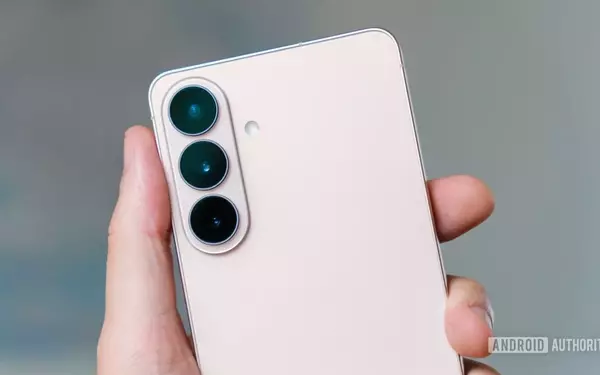
The Pixel 11 Pro XL distinguishes itself with a stunning aesthetic, characterized by a meticulously crafted camera bar and a continuous silver rail that seamlessly blends into the device's periphery. This design philosophy, particularly evident in the Olive color variant, exudes a premium feel. The camera visor, covered edge-to-edge with glass, incorporates the innovative HiLight LED. While visually appealing, the HiLight's current functionality is limited, primarily serving as a notification for selected contacts and Gemini queries when the phone is face down. This restricted utility has left some users yearning for broader integration with other notification types.
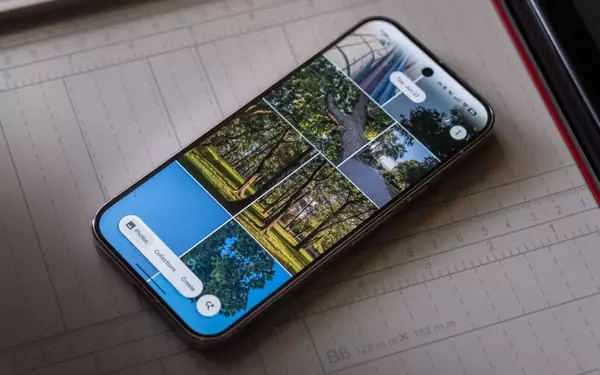
Under the hood, the Pixel 11 Pro XL is equipped with a 6.8-inch Super Actua LTPO OLED display, offering an impressive brightness of up to 3,600 nits and a fluid 120Hz refresh rate. Powering the device is a substantial 5,115 mAh battery, capable of providing up to two days of usage on a single charge. Charging capabilities include 45W wired and 25W wireless, with the 45W option being exclusive to the XL model. The Google Tensor 6 processor, optimized for thermal management rather than raw speed, ensures smooth performance for a wide range of applications, supported by configurations offering up to 16GB RAM and 1TB storage.
Google's emphasis on AI is evident in features such as Live Translate for Media and Rambler. Live Translate for Media, an ambitious concept, aims to dub foreign language videos into English using AI-generated voices. Testing revealed mixed results, with some videos successfully translated while others failed to process. The noticeable delay between video and audio, coupled with difficulties in scrubbing through content, highlights areas for refinement. Rambler, Google's AI-powered voice typing, offers a promising solution for composing messages by transcribing spoken words and autonomously refining them, removing hesitations and making corrections.
Despite Google's historical reputation for exceptional mobile photography, the Pixel 11 Pro XL's camera system, featuring a 50-megapixel main sensor and dual 48-megapixel telephoto and ultrawide sensors, presents a mixed bag. In optimal lighting conditions, the cameras deliver vibrant colors, sharp details, and impressive zoom capabilities up to 10x. However, performance significantly deteriorates in low-light environments, exhibiting artifacts, light streaks, and a lack of stabilization in video capture. This reliance on software processing and AI to compensate for perceived hardware limitations has led to some disappointment, especially given the Pixel line's legacy in camera technology.
In conclusion, the Google Pixel 11 Pro XL is a beautifully designed smartphone that excels in hardware aesthetics and introduces intriguing AI functionalities. Yet, its camera performance, particularly in less-than-ideal lighting, falls short of expectations, raising questions about the increasing reliance on software over physical camera innovation. While the device offers a powerful and engaging user experience, its premium price tag might be a harder pill to swallow for photography enthusiasts who prioritize raw camera capability over AI-driven enhancements. Google's ongoing challenge will be to strike a better balance between innovative software and robust hardware to reclaim its position as a leader in mobile photography.