Google's recent presentation introduced a vision where users engage less with their smartphones, promoting digital wellness. During its "Made by Google" event, company executives and celebrity endorsers emphasized reducing screen time to foster greater presence in the real world. This initiative aligns with a broader industry trend toward minimizing digital distractions.
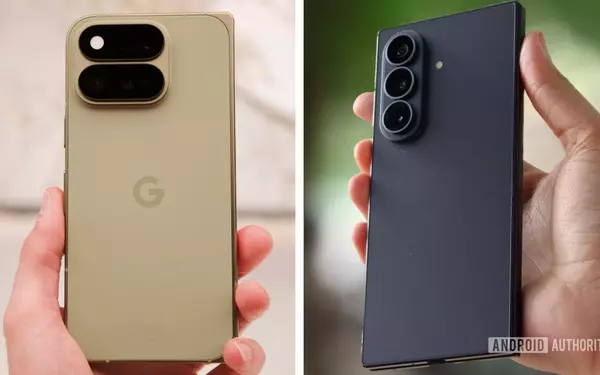
A key innovation supporting this goal is Google's new HiLight feature on the Pixel 11 Pro models. This technology uses a subtle light cue on the camera bar to signal important incoming calls, allowing users to remain aware of critical communications without constant screen-checking. While currently limited to calls, Google plans to extend HiLight's functionality to text notifications, reinforcing its aim to provide essential information discreetly. However, this push for reduced direct interaction coincides with an expanded role for artificial intelligence, particularly agentic AI, which handles tasks autonomously on behalf of the user.
This dual strategy sparks skepticism among observers. The company, often criticized for contributing to digital addiction through its platforms like YouTube, now positions itself as a solution provider. The focus shifts from direct user interaction to AI-driven task completion, such as managing calendar events or coordinating logistics. This integration of AI, while streamlining daily activities, inevitably grants Google deeper access to personal data and behavioral patterns. Consequently, questions arise about whether this is a genuine pursuit of technological minimalism or a sophisticated means to further embed AI into the fabric of everyday life, priming users for a future dominated by voice-controlled smart wearables and expanded data ecosystems.
Ultimately, Google's strategy to reduce smartphone dependence appears to be a sophisticated maneuver to advance its agentic AI agenda. While the promise of enhanced digital well-being is appealing, the underlying motive seems to be a deeper integration of AI into our lives, transitioning us from visual screen interaction to voice-activated control through smart wearables. This evolution, while potentially offering convenience, warrants scrutiny regarding its true impact on our relationship with technology and personal privacy.