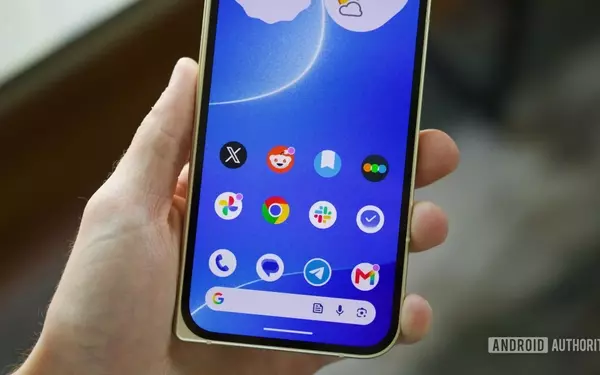
The Google Pixel 11 series, featuring the new Tensor G6 chip, has been put through rigorous benchmarking, revealing a mixed bag of results. While Google has introduced meaningful enhancements to the CPU and TPU for general applications and AI processes, along with a more efficient modem, the overall performance narrative is complex. The decision to equip the Pixel 11 Pro with only 12GB of RAM, a reduction from the previous year's 16GB, potentially hinders its high-end AI capabilities. Furthermore, the removal of a CPU core, despite architectural advancements, lessens the anticipated performance gains, leaving many enthusiasts questioning Google's strategic choices, especially in light of a competitive mobile chip market.
Benchmarking results for the Tensor G6 indicate a noticeable, yet insufficient, annual improvement in performance. The CPU demonstrates an approximately 18% increase in single-core performance and a 21% boost in multi-core tasks, according to Geekbench 6. While these gains are positive for everyday usage and some demanding applications, they fall short when compared to rivals such as Samsung's Exynos 2600, which exhibits significantly higher single and multi-core scores. The graphics performance, assessed using 3DMark's Wild Life tests, shows a modest 7% to 10% increase. This enhancement might provide smoother frame rates in some games but does not position the Pixel 11 as a top-tier gaming device, nor does it support advanced features like ray-tracing, which is increasingly common in competitor chipsets. Moreover, stress tests reveal that the Tensor G6's sustained performance can dip below that of its predecessor, especially during prolonged intensive usage, suggesting that its peak performance is not consistently maintained under load.
Google's continued focus on AI-first development for its Tensor chips, as evidenced by a 50% increase in TPU performance, reinforces its commitment to on-device artificial intelligence. However, this strategy comes at the cost of raw CPU and GPU power, areas where competitor flagships, like those powered by Snapdragon and Apple's A-series chips, maintain a substantial lead. The Tensor G6's CPU performance aligns with mid-range chips from the previous year, and its graphical capabilities are more than doubled by leading competitors. This performance gap is significant for consumers who prioritize demanding mobile experiences, such as gaming, heavy content creation, or PC-like functionalities. Despite Google marketing its devices with long lifespans, the current performance trajectory raises questions about the Pixel 11's ability to remain competitive and deliver cutting-edge features throughout its advertised support period, making it a niche choice for users valuing Google's unique software features over raw performance.
Ultimately, the performance of the Tensor G6 in the Pixel 11 series highlights a clear directional choice by Google to prioritize AI over raw computational power. This path encourages innovation in AI-driven experiences, fostering unique functionalities that differentiate Pixel devices. However, it also presents a challenge to the traditional expectations of flagship smartphone performance, particularly in gaming and demanding applications. The pursuit of specialized AI capabilities should not overshadow the foundational need for robust and competitive CPU and GPU performance, as a balanced approach ensures a device's longevity and broad appeal. A future where Google can merge its AI vision with industry-leading overall performance would undoubtedly create a more compelling and universally acclaimed Pixel experience, inspiring users with both cutting-edge intelligence and uncompromising power.