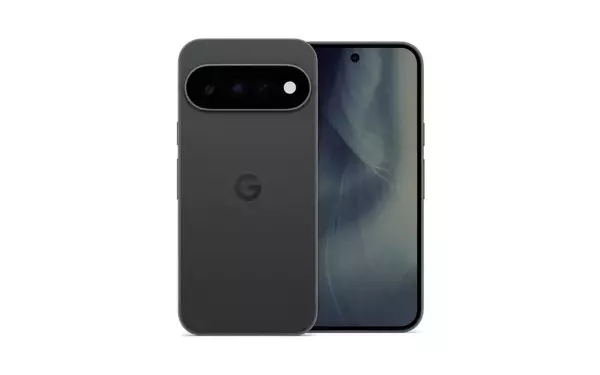
This detailed comparison explores the strengths and weaknesses of Google's Pixel 11 Pro and Samsung's Galaxy S26, aiming to guide consumers in their decision-making process for a new flagship Android device. We delve into various aspects, including camera capabilities, display specifications, battery longevity, processing power, and overall value, to determine which phone stands out in the competitive smartphone market.
Google's recent summer launch introduced several new Pixel models, with the Pixel 11 Pro emerging as a key contender in the high-end smartphone segment. Similarly, the Samsung Galaxy S26 represents the pinnacle of Samsung's S-series lineup. This head-to-head analysis focuses on these two devices, highlighting their respective advantages and helping potential buyers identify the best fit for their needs. The Pixel series boasts enhanced cameras, a superior screen, and a larger battery, while the S26 counters with a lightning-fast processor, a lighter design, and a more attractive price point.
For those prioritizing photography, the Pixel 11 Pro often takes the lead. While both phones feature comparable camera sensors, Google's expertise in AI post-processing typically results in more consistently excellent photos, especially for quick, spontaneous shots. This makes the Pixel a preferred choice for users who value ease of capturing high-quality images ready for social media platforms like Instagram.
Display quality is another area where the Pixel 11 Pro excels. Its Super Actua display offers a slightly larger screen with a higher resolution of 1280 x 2856 and a peak brightness of 3,600 nits. This surpasses the Galaxy S26's 1080 x 2340 resolution and 2,600 nits brightness, making the Pixel a better option for outdoor visibility under direct sunlight and for users who appreciate a more vibrant and sharper visual experience.
Battery life and charging speed are significant advantages for the Pixel 11 Pro. Equipped with a 4,850 mAh battery, it dwarfs the Galaxy S26's 4,300 mAh capacity, suggesting that the Pixel can potentially last up to two days on a single charge. Furthermore, the Pixel 11 Pro supports faster wired charging at 30W and wireless charging at 25W, outperforming the S26's 25W wired and 15W wireless charging capabilities.
Conversely, the Samsung Galaxy S26 shines in processor performance. Its Snapdragon 8 Elite Gen 5 for Galaxy chip offers unparalleled speed, outperforming Google's Tensor G6 processor and most other mobile chips, with the exception of Apple's M5. This translates to faster app launches, smoother multitasking, and superior handling of processor-intensive applications, which is crucial for users who demand high performance for tasks like photo and video editing, and for those planning to keep their phone for several years.
The physical design of the Galaxy S26 also presents a compelling argument for its selection. Being nearly 40 grams lighter than the Pixel 11 Pro, it offers a noticeable improvement in portability and comfort, especially when carried in pockets or bags. The S26's slimmer profile and vertical camera bump contribute to its ergonomic appeal, making it less prone to snagging compared to the Pixel's more protruding camera visor.
From a financial perspective, the Samsung Galaxy S26 offers a significant cost advantage, retailing for approximately $200 less than the Pixel 11 Pro. This 20% price difference allows consumers to save money or invest in accessories like earbuds. Both devices also offer seven years of software support, addressing the growing trend of users retaining their smartphones for extended periods. This combination of lower cost and long-term support makes the Galaxy S26 a strong value proposition.
Ultimately, the choice between the Google Pixel 11 Pro and the Samsung Galaxy S26 often boils down to personal preferences and priorities. While both are exceptional Android flagships, the Pixel caters to users who prioritize camera quality, display brilliance, and battery endurance, whereas the Galaxy S26 appeals to those seeking raw processing power, a lighter build, and better value for money. The decision hinges on which set of features aligns best with an individual's daily usage and long-term expectations from their smartphone.