Google One has evolved significantly from its initial offering of simple cloud storage to become an indispensable subscription service for Android users, deeply integrating artificial intelligence and smart home capabilities. What once provided a generous 15GB of free storage, seemingly endless, now increasingly nudges users toward paid plans due to the growing demands of modern smartphone usage and Google's strategic pivot towards AI innovation. This transformation presents a dual-edged sword, offering considerable value for those who leverage advanced features while simultaneously making basic functionalities feel paywalled for casual users.
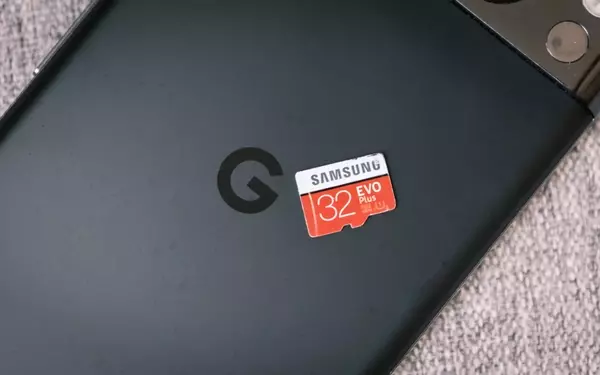
In its nascent stages, the 15GB of complimentary storage bundled with new Google accounts was a groundbreaking feature, particularly with the advent of services like Gmail and Google Photos. This free allocation was perceived as more than sufficient for the average user. However, as technology advanced and user habits shifted, this generous offering rapidly diminished in practicality. Today's smartphones generate significantly larger backup files, encompassing 4K videos, high-resolution photographs, and extensive app data. The inclusion of WhatsApp chat histories and media within the storage limit further exacerbates this issue, transforming the once-ample free space into a mere temporary solution that quickly reaches its capacity.
This strategic constriction of free storage is not coincidental. It reflects Google's deliberate effort to encourage subscriptions to Google One. The company has moved away from unlimited high-quality photo backups and now counts an increasing array of data against the basic 15GB limit. This change ensures that the free tier functions more like a trial, with users frequently encountering storage limitations within weeks or months. When faced with warnings about impending service interruptions, such as Gmail ceasing to receive messages, users are often left with little choice but to upgrade to a paid plan. This maneuver effectively integrates Google One into the fundamental Android experience, making it a necessity rather than an optional add-on.
The underlying reason for Google's shift lies in its substantial investments in artificial intelligence. Developing and maintaining advanced AI models, such as Gemini, demands immense computational power, specialized hardware, and significant energy consumption. While offering free storage once served as an effective strategy for user acquisition and data collection to train search algorithms and improve ad targeting, the financial landscape has changed. The resources previously allocated to free storage are now critically needed for complex AI tasks. By bundling storage with AI features, Google aims to monetize its AI endeavors and justify the considerable expenses to its stakeholders. This integrated approach ensures a steady revenue stream by converting free Android users into paying subscribers, reflecting a fundamental change in Google's business model to align with its new strategic priorities.
While the reduction in free storage can be frustrating, Google One's paid tiers offer enhanced value, particularly for power users and technology enthusiasts. The Google AI Premium plan, for instance, has seen an increase in storage capacity without a corresponding price hike, making it more attractive given the rising costs of data storage. Subscribers to this tier gain access to advanced AI features like Gemini Advanced, AI capabilities within Google Docs and Gmail, and early access to new tools. Additionally, Google One now incorporates smart home and health features, including improved Google Home tools, advanced video recording for Nest cameras, and exclusive benefits for Fitbit devices. When considering the comprehensive suite of services, Google One transforms into a highly beneficial membership for managing one's digital life.
The current pricing of some Google One subscription tiers represents a compelling value proposition. For individuals already contemplating a monthly AI tool subscription, such as ChatGPT Plus or Claude Pro, Google AI Pro offers comparable top-tier AI features alongside a substantial 5TB of cloud storage and Workspace integration at a similar price point. Even the more affordable base plans provide significant benefits for average families, such as the ability to share 2TB of storage among five family members, simplifying data backup across multiple devices. Additional perks, like Google Store cash-back rewards for hardware purchases, further enhance the perceived value, making the monthly fee more palatable. However, this strategy effectively merges two distinct user groups: tech-savvy individuals eager for cutting-edge AI and casual users who simply require reliable backup for their personal data, inadvertently pushing the latter into a subscription model designed for the former.
Looking ahead, a crucial question for Android users is the longevity of Google One's current value proposition. Google is actively making its subscription service as appealing as possible to attract millions of users to Gemini and its ecosystem, intensifying competition with rivals like Apple, Microsoft, and OpenAI. Historically, companies often offer attractive bundles and low prices to gain market share and customer loyalty. However, once users become entrenched within a service, having accumulated years of data and integrated multiple devices, switching becomes challenging. This 'lock-in' effect often diminishes the company's incentive to maintain competitive pricing indefinitely. Given the trend of increasing subscription costs across the technology industry, it is likely that Google One will eventually follow suit. While enjoying the current benefits of ample storage and advanced AI features is sensible, users should be mindful that these favorable prices may not persist indefinitely. Google One has successfully transitioned from an optional cloud backup utility to a core component of the Android experience. For those keen on leveraging new AI features, it currently represents one of the best software values available. For others, it unequivocally signals the end of an era of simple, free cloud storage, repositioning Google One as an intrinsic, rather than optional, element of Android smartphone usage.