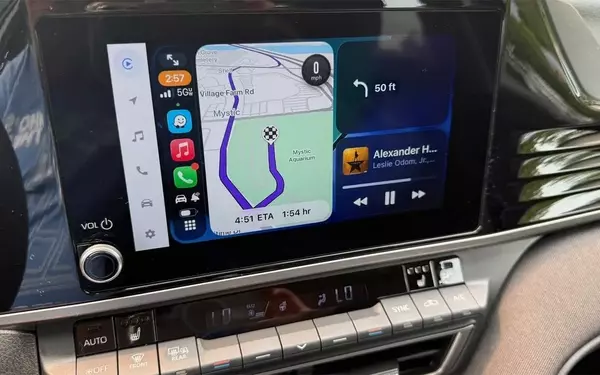
This analysis critically examines two leading navigation applications, Waze and Google Maps, by dissecting their functionalities across several key areas to determine which offers a more advantageous user experience.
Waze excels in dynamic route adjustments and immediate driver notifications, particularly for traffic and road hazards. It actively reroutes users to maintain the fastest possible journey, often utilizing user-generated data for unparalleled real-time insights into road conditions and potential impediments. This crowdsourced approach also extends to reporting police presence and speed traps, providing a more detailed alert system than its counterpart. Conversely, Google Maps provides a more extensive suite of features beyond basic driving directions, supporting diverse travel modes such as walking, cycling, and public transportation with comprehensive routing and live updates. It further distinguishes itself with robust offline map capabilities, allowing users to download entire regions for navigation without an internet connection, a critical advantage in areas with poor network coverage or for international travel.
Ultimately, while Waze holds a strong position for drivers prioritizing rapid, real-time traffic avoidance and detailed road incident alerts, Google Maps emerges as the more versatile and feature-rich application. Its broad support for various travel methods, advanced offline functionalities, and sophisticated AI integration position it as a comprehensive tool for both navigation and broader environmental exploration. Although Waze's quirky interface and community-driven alerts are appealing, Google Maps' continuous innovation and deeper integration of AI across its services solidify its standing as the superior choice for a holistic navigation experience.
In the evolving landscape of digital navigation, continuous innovation is paramount. Google Maps' commitment to integrating advanced AI, expanding travel mode support, and enhancing offline capabilities demonstrates a forward-thinking approach that benefits a wider array of users. This progressive development fosters a more inclusive and efficient navigational future, highlighting technology's potential to simplify and enrich daily travel.