In April, a significant influx of non-Asian investors surged into the bond markets of Asia. This move was primarily driven by the search for stable, high-yielding investments and appreciating currencies as an alternative to the United States. According to data from various regulatory bodies and bond market associations in South Korea, India, Indonesia, Thailand, and Malaysia, these investors acquired bonds worth $8.92 billion on a net basis, marking the highest since last August. Despite global trade tensions and fiscal uncertainties, Asian bonds continue to attract interest due to their potential for higher returns.
During the latter half of April, investor attention gravitated towards Asia's bond offerings. Central banks in several countries, including India, Thailand, and the Philippines, cut interest rates last month, with Indonesia following suit earlier this month. These reductions stimulated bond prices and attracted more foreign capital. Notably, South Korea witnessed the largest inflow, where foreign investors purchased bonds worth $7.91 billion, the highest since May 2023. However, there was a simultaneous withdrawal of $6.97 billion from its equity market.
Beyond South Korea, other nations like Malaysia and Thailand also experienced substantial investment additions of $2.37 billion and $1.6 billion respectively. Conversely, Indonesia faced net outflows amounting to $1.4 billion due to concerns over fiscal management and slow economic growth. In India, despite a rate cut, outflows reached $1.55 billion, attributed mainly to anxiety following a brief military confrontation with Pakistan.
Earlier in April, U.S. President Donald Trump's announcement of reciprocal tariffs caused global financial turmoil. Yet, his subsequent declaration of a 90-day pause for most countries helped restore investor confidence, drawing them back to bond markets. Market sentiment further improved after the U.S. and China agreed to a 90-day trade negotiation period to reduce import tariffs on each other’s goods.
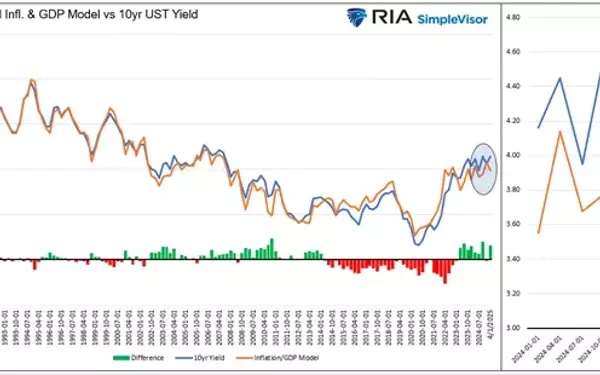
Despite these developments, long-term pressures persist in the global bond market. Rising yields on U.S. Treasury bonds weigh heavily, influenced by fiscal outlook concerns and Moody's recent downgrade of the U.S. credit rating. Samuel Tse, an investment strategist at DBS Bank, noted that while Asian government bonds might not be immune to sell-offs, the impact is expected to remain controlled. He emphasized the narrowing yield gap between emerging Asian government bonds and U.S. Treasuries, making Asian bonds attractive for investors seeking overall local currency returns.
As global financial markets navigate through volatility brought on by trade tensions and fiscal worries, Asian bonds offer a promising avenue for diversification. The region's stable yields and appreciating currencies continue to entice investors amidst broader market uncertainties. While challenges remain, the allure of enhanced returns positions Asian bonds favorably in the eyes of international investors.