In an era where smartphones are constantly expanding in size, the Samsung Galaxy Z Fold 8 presents a peculiar dichotomy. While primarily marketed for its expansive, tablet-like inner display, its external 5.5-inch screen inadvertently reintroduces the charm and practicality of smaller form-factor phones that many users have long yearned for. This article delves into the unexpected utility of the Fold 8's cover screen, proposing that its design could inspire a new line of compact, high-performance devices, challenging the prevailing trend of oversized handsets.
The current smartphone landscape is largely dominated by devices exceeding six inches, a trend that has left a significant portion of consumers feeling underserved. The Galaxy Z Fold 8, through its compact external display, offers a compelling glimpse into a future where powerful smartphones can also be ergonomically designed for single-handed operation. This exploration critically examines the Fold 8's unique position in the market, questioning whether its true innovation lies not in its ability to fold, but in its potential to revive the compact phone category, ultimately suggesting a path forward for Samsung and the wider industry.
The Unexpected Triumph of the Cover Screen
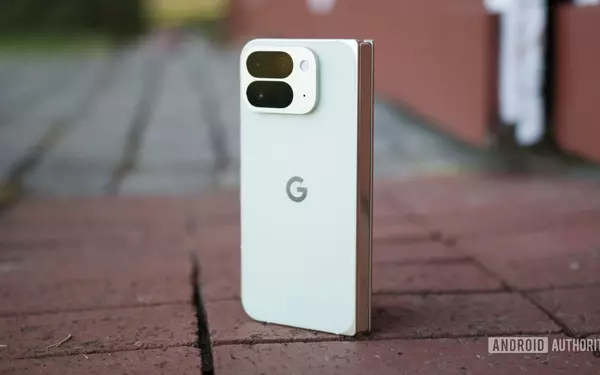
The Galaxy Z Fold 8's external display, at a modest 5.5 inches with a 16:10 aspect ratio, stands out as a remarkably user-friendly interface in today's market. This screen configuration allows for effortless one-handed navigation and comfortable typing, addressing a common frustration among users with smaller hands who struggle with larger devices. Unlike many flip foldable phones, the Fold 8's cover screen is fully capable of running all standard Android applications, offering a complete smartphone experience without the need to unfold the device. This design choice inadvertently positions the Fold 8 as a highly functional compact phone, subtly challenging the notion that larger screens are always superior for daily interactions.
Furthermore, the 16:10 aspect ratio proves to be exceptionally well-suited for media consumption, providing an optimal viewing experience for both vertical social media feeds and horizontal streaming content. This thoughtful design minimizes visual obstructions, allowing users to comfortably grip the phone while enjoying their media. Despite its smaller size, the cover screen doesn't compromise on functionality, enabling users to perform a wide range of tasks, from messaging to document editing, with surprising ease. This versatility, combined with its ergonomic advantages, highlights the potential for the Fold 8's external display to revolutionize the perception of what constitutes an ideal small smartphone.
A Vision for a Non-Folding Future
Despite its ingenious foldable design, the Galaxy Z Fold 8's cover screen offers a compelling argument for a dedicated non-folding device that leverages its highly effective form factor. The market has seen a steady decline in sub-6-inch phones, leaving a void for consumers who prioritize portability and ease of use. While the Fold 8's primary innovation is its expansive inner display, its robust and user-friendly external screen inadvertently demonstrates the enduring appeal of compact, yet powerful, smartphones. A standalone phone built around this 5.5-inch AMOLED panel could offer a flagship-level experience without the added cost and complexity associated with folding technology.
Such a device, potentially branded as a 'Galaxy S Mini' or 'Galaxy S Lite', would cater to a segment of the market that values practicality and ergonomic design. The current Fold 8, despite its weight of 201 grams, is still considered light for a foldable, and its thickness is only slightly more than traditional models, indicating that a non-folding version could be even more streamlined. This strategic move by Samsung could tap into the nostalgia for smaller phones while delivering modern performance, offering a more accessible and potentially more popular alternative to its high-end foldable offerings. The success of the Fold 8's cover screen suggests a significant opportunity for Samsung to expand its portfolio with a product that prioritizes compact functionality.