Google Home's Hardware: A Decade of Disappointment and Doubt
The Current Landscape of Google Home Hardware in 2026
After a decade, Google's smart home ecosystem, Google Home, is causing significant frustration for long-term users. What should be a mature and robust platform now feels uncertain and vulnerable. As a user deeply integrated into the Google Home environment, with all security cameras, thermostats, smart speakers, and displays from Google, the author expresses growing concern.
Google's Stagnant Hardware Portfolio and Its Detrimental Impact
A major pain point for Google Home has been its hardware strategy. In 2026, this issue has become particularly damaging. While competitors are aggressively innovating, Google appears to be at a loss on how to respond. The company's current smart home device lineup gives the impression that Google has largely abandoned hardware development.
The Glaring Absence of New Google Home Devices
Since 2021, Google has not released new battery-powered Nest Cams or Doorbells. The Google TV Streamer 4K is over two years old and has even seen price increases, with no budget alternative. The most recent Nest Hub smart display is five years old, and the Nest Wifi Pro was last updated in 2022. Although a new Google Home Speaker was introduced this year after a six-year hiatus, it was underwhelming and led to the discontinuation of Nest Audio and Nest Mini.
User Challenges and Google's Business Practices
While not every smart home device requires annual updates, waiting several years between product generations makes users doubt Google's long-term commitment. This creates practical problems; for instance, if an older Google Home Hub fails, finding a replacement is difficult as current models are out of stock. Users are left to consider competitor products or wait for unconfirmed future releases, pointing to what the author describes as poor business practices.
Competitors Surge Ahead: Apple and Amazon's Dominance
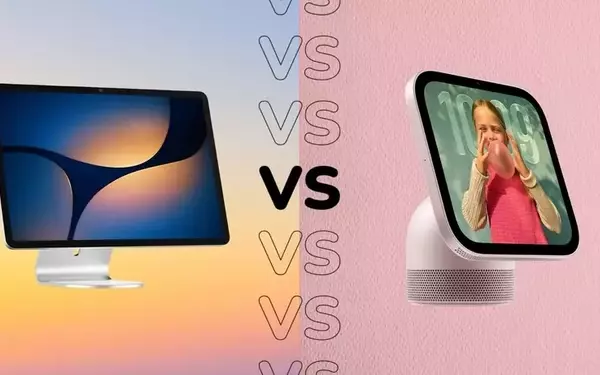
Google's hardware stagnation is further exacerbated by the intense competition. Apple recently launched its highly anticipated HomeView smart display, along with a range of smart thermostats, doorbells, and cameras through partnerships, demonstrating a focused and confident approach to its smart home ecosystem.
Amazon's Prolific Smart Home Offerings
Amazon's strategy is even more aggressive, having released 21 new smart home gadgets in 2026 alone, including various Ring and Blink devices, Echo products, and the Alexa Photo Frame. This contrasts sharply with Google's single new product release. While Amazon's approach of releasing numerous products might be imperfect, it offers users abundant choices, a stark difference from Google's infrequent updates.
Reflecting on Google's Missed Opportunities and Early Successes
The situation is particularly frustrating because Google was an early leader in the smart home market. Initial products like the original Google Home, Google Home Max, and the first Google Home Hub were innovative and well-received. For several years, it seemed Google was on track to build an unstoppable smart home portfolio. However, for unknown reasons, the company significantly scaled back its efforts.
The Future of Google Home: A Call for Change
Google should be at the forefront of smart home innovation, offering a wide array of smart speakers, displays, and other devices. Instead, the company is doing the bare minimum. The author concludes that if this trend of neglect continues in the coming years, he will have to reconsider his entire commitment to the Google Home ecosystem.