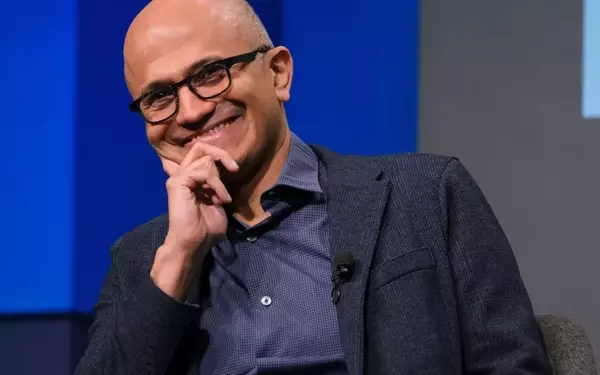
Former UK Prime Minister Rishi Sunak's new advisory positions with Microsoft and AI research company Anthropic have sparked discussions about the revolving door between government and the private sector. The appointments, announced after his tenure as Prime Minister, highlight the increasing influence of technology in public affairs and the ethical considerations that arise when former high-ranking officials transition to roles within powerful corporations.
Former UK Prime Minister Rishi Sunak Takes Advisory Roles at Microsoft and Anthropic Amid Scrutiny
In a significant development reported on October 10, 2025, former United Kingdom Prime Minister Rishi Sunak, who led the Conservative government from 2022 to 2024, has accepted senior advisory positions with two prominent technology entities: Microsoft and the artificial intelligence firm Anthropic. This news, initially disclosed by The Guardian, has immediately drawn the attention of the Advisory Committee on Business Appointments (Acoba), a parliamentary body responsible for scrutinizing such transitions. Acoba has voiced concerns that Sunak's past access to privileged governmental information could potentially grant Microsoft an undue advantage, especially given its existing contracts with British government departments.
Adding to the complexity, Acoba also highlighted the potential for Sunak's advisory role with Anthropic to be perceived as providing unfair influence within the UK government. This concern is particularly acute amidst global discussions and lobbying efforts surrounding the regulation of artificial intelligence, an area where Anthropic operates at the forefront. The committee noted that, at a time of intense debate on AI policy, such an appointment could create an impression of special access.
Sunak, in response to these ethical considerations, has publicly committed to restricting his advisory activities. He stated that he would refrain from offering counsel on matters of UK policy and would instead focus on high-level perspectives concerning macroeconomic and geopolitical trends. Furthermore, he pledged to avoid any lobbying activities. Demonstrating a commitment to public service, Sunak announced that his earnings from these advisory roles would be channeled into The Richmond Project, a charitable organization he established with his spouse earlier in the year.
This is not Sunak's first venture into the private sector post-premiership; he also holds a senior advisory position at the investment bank Goldman Sachs and provides speechwriting services for firms including Bain Capital and Makena Capital. The trend of former British politicians moving into advisory roles with major tech companies is not unprecedented. Liam Booth-Smith, a former senior political adviser to Sunak, is also reportedly associated with Anthropic. Similarly, Nick Clegg, the former Liberal Democrat Deputy Prime Minister, previously served as Meta's president of global affairs until January 2025. This pattern mirrors a similar phenomenon in the United States, where a continuous flow of former government officials transitions to roles within Silicon Valley. Noteworthy examples include Joel Kaplan, former deputy chief of staff to George W. Bush, who succeeded Clegg at Meta, and Dustin Carmack, a former advisor to Florida Governor Ron DeSantis, who joined Meta's policy team in 2024. Microsoft's current president of global affairs is Lisa Monaco, who previously served as deputy attorney general under Joe Biden, further illustrating this pervasive trend.
The appointment of former high-ranking government officials like Rishi Sunak to advisory roles within major tech companies such as Microsoft and Anthropic raises critical questions about the intersection of public service and private interests. While their expertise can undoubtedly benefit these organizations, the potential for conflicts of interest and the appearance of undue influence warrant careful consideration. It underscores the ongoing challenge of maintaining transparency and public trust in an era where technology plays an ever-larger role in shaping policy and economy. This situation calls for robust ethical frameworks and vigilant oversight to ensure that the public good remains paramount, and that the transition of public figures to the private sector does not compromise the integrity of governance.