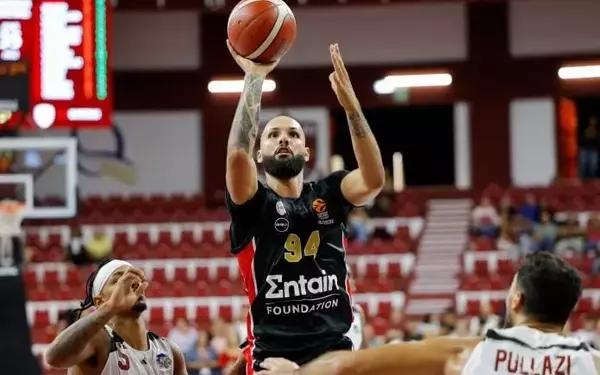
In the evolving landscape of modern basketball, the offensive game has stretched boundaries, with players demonstrating exceptional ball-handling and long-range shooting capabilities. Teams frequently employ screens and re-screens to expose defensive vulnerabilities. To counteract these sophisticated offensive maneuvers, switching defense has emerged as a predominant strategy. This approach allows defenders to seamlessly swap assignments, transforming complex offensive actions into straightforward one-on-one matchups.
The essence of switching defense lies in its ability to negate the advantages created by offensive plays like the pick-and-roll. Instead of attempting to fight through screens or execute complicated rotations, defenders simply switch assignments, ensuring a body remains between the ball-handler and the basket. This strategy thrives when a team possesses players with similar physical attributes, such as long wingspans and quick footwork, enabling them to guard multiple positions effectively. Modern analytics further support this defensive shift, as it limits high-efficiency shots near the rim and from beyond the arc, forcing offenses into less desirable contested pull-up jumpers. Successful implementation relies heavily on specific personnel and impeccable communication, with advanced techniques like pre-switching, scram switching, and peel switching ensuring coordinated defensive responses. Coaches value this system for its tactical simplicity, reduced need for desperate rotations, and its effectiveness in playoff series against isolation-heavy offenses.
While highly effective, switching defense is not without its counters, and smart teams continuously refine their strategies. Offenses attempt to exploit switches with slips, ghost screens, Spain pick-and-rolls, and post-up mismatches. However, defenses have developed corresponding adjustments, such as early calls, double-teaming the ball-handler briefly, and quick rotations from the weak side. Rebounding, often a challenge when defenders are spread across the floor, is addressed through disciplined box-out techniques and collective efforts. Ultimately, the prevalence of switching defense is a testament to its effectiveness in disrupting modern offenses. It forces opponents into slower, more challenging possessions, where individual skill must overcome structured defense. By emphasizing tight rules, constant communication, and consistent execution, switching defense becomes more than just a tactic; it defines a team's defensive identity, providing a robust and adaptable framework against any offensive challenge.