Decoding the Dynamics of Government Debt Instruments
·5 min read
Advertisement
In an era marked by economic uncertainty, the bond market has emerged as a critical yet enigmatic player in global finance. Often perceived as one of the safest investments, U.S. Treasury bonds have recently exhibited unprecedented volatility, raising concerns among investors and policymakers alike. This article delves into the intricacies of bond valuation, explores the factors driving their fluctuations, and examines the broader implications for financial stability.
Unveiling the Hidden Forces Shaping Your Investment Portfolio
Understanding the Mechanism Behind Bond Pricing
At its core, the value of government debt instruments hinges on investor demand. When appetite for bonds wanes, the federal government must sweeten the deal by offering higher interest rates to attract buyers. Conversely, robust demand allows the government to reduce yields while still securing sufficient purchasers. For instance, purchasing a 30-year Treasury bond today for $1,000 could yield approximately $2,500 by 2055, assuming consistent interest payments.This dynamic underscores the significance of trust in sustaining bond values. Investors who acquire long-term bonds anticipate reliable returns over three decades. Confidence in the U.S. government's ability to honor these commitments ensures that Treasury bonds remain a cornerstone of safe-haven assets globally. Historically, the United States has maintained an impeccable record of fulfilling its obligations, even if this necessitates issuing additional bonds to meet financial requirements.
Exploring the Recent Turmoil in Bond Markets
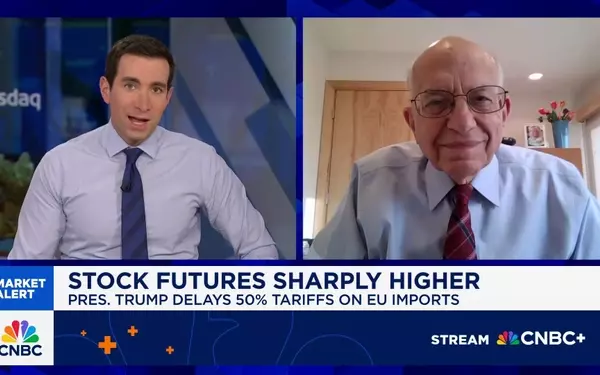
Recent developments have introduced unprecedented instability into the bond market. The unpredictable nature of trade policies, exemplified by President Trump's approach to tariffs, has eroded investor confidence. Initially proposed measures were subsequently delayed or modified, creating an environment rife with uncertainty. Such unpredictability undermines the allure of bonds as a stable investment vehicle.Investors crave predictability when allocating capital. In the absence of clarity regarding fiscal policies, they perceive heightened risk associated with government securities. Consequently, the once-stable bond market now appears vulnerable to fluctuations driven by geopolitical tensions and domestic policy shifts. This transformation prompts a reevaluation of traditional assumptions about bond safety and reliability.
Analyzing the Broader Implications for Economic Stability
The evolving landscape of bond markets carries profound ramifications for economic health. As volatility increases, so too does the potential for cascading effects across various sectors. Institutions reliant on steady cash flows from bond investments may encounter liquidity challenges if values decline unexpectedly. Furthermore, diminished investor confidence could lead to reduced participation in government financing efforts, complicating budgetary planning.Policymakers face mounting pressure to restore stability amidst shifting dynamics. Balancing competing interests requires careful consideration of both short-term exigencies and long-term strategic objectives. Addressing concerns through transparent communication and consistent policy implementation becomes imperative in fostering renewed trust among stakeholders. Ultimately, navigating this complex terrain demands innovative solutions tailored to contemporary realities while preserving foundational principles underpinning financial systems worldwide.