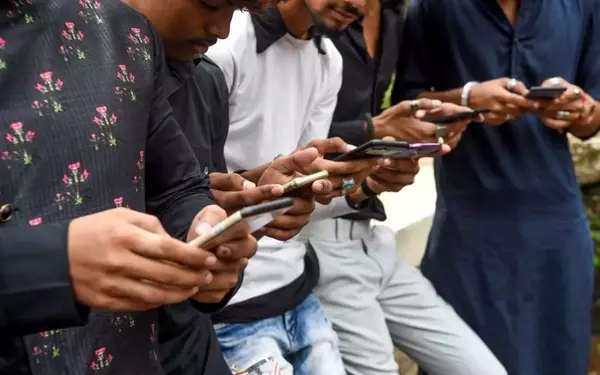
In an age dominated by digital screens, the pervasive habit of "doomscrolling" has become a significant concern. Many individuals find themselves trapped in a cycle of endless browsing, leading to prolonged sedentary periods, poor posture, eye strain, and a general sense of unease. This continuous consumption of digital content often detracts from physical activity and real-world engagement, impacting overall well-being. Thankfully, a new wave of innovative applications is emerging, specifically designed to help users break free from this digital entrapment and foster a more active, balanced lifestyle.
These applications employ diverse and ingenious methods to encourage physical movement and mindful interaction. For instance, some platforms integrate with wearable technology, setting personalized fitness targets like daily step counts, and subsequently restricting access to distracting apps until these objectives are achieved. Others take a more unconventional approach, such as requiring users to engage with their physical surroundings, like taking a photo of natural elements, before unlocking social media or entertainment platforms. These tools serve as digital nudges, transforming passive screen time into opportunities for active engagement, thereby promoting healthier habits and a more conscious use of technology.
Digital Carrot is a prime example of an app that links digital access to physical achievements. It acts as a gatekeeper, temporarily blocking applications, websites, and games until predefined fitness or productivity goals are accomplished. Users can sync Digital Carrot with wearables like the Apple Watch to track their progress against personalized targets, such as walking 6,000 steps daily. The app further enhances motivation by supporting GPS and time-based challenges, where users must spend a certain duration at a specific location, like completing a 60-minute gym workout, to regain access to their preferred digital content. This versatile application is available across multiple platforms, including iPhone, Android, macOS, Windows, and Linux.
MeBeMe, while not exclusively focused on physical activity, plays a crucial role in cultivating healthier habits by sending users timely notifications to complete various missions. These missions can range from performing burpees to connecting with others or engaging in a three-minute warm-up routine. Its "Body" category specifically caters to athletes, dancers, cyclists, and runners, offering tailored challenges. Currently, MeBeMe is available for free on iOS devices, providing a broad approach to personal development beyond just physical movement.
StepBloc, another iOS-exclusive application, provides a direct link between physical steps and app access. Users can configure the app to lock access to chosen applications until a specified number of steps is completed. Moreover, StepBloc allows for the integration of specific workout routines, such as push-ups, planks, or squats for a set duration, as a prerequisite for unlocking apps. This feature is particularly beneficial for individuals seeking to counteract sedentary habits with brief, intense bursts of exercise. Although the app is free to download, unlimited access requires a subscription.
Steppin, developed by the founder of Kayak, offers a unique trade-off: physical movement in exchange for screen time. For example, it rewards users with one minute of scrolling for every 100 steps taken. This flexible system allows users to customize their step goals for accessing various digital platforms, including social media, streaming services, and mobile games, and is available on iOS devices.
TouchGrass presents an innovative solution to combat doomscrolling by mandating a real-world interaction. To unlock distracting apps, users must step outside and capture a photograph of grass. The app employs advanced computer vision models to ensure that only images of grass are accepted, preventing users from circumventing the system with photos of other plants or objects. The freemium model allows users to lock two applications, with a subscription option for expanded access. TouchGrass is available for iOS devices, highlighting a creative blend of technology and nature to promote healthier digital habits.
WalkLock, an iOS application, seamlessly integrates with Apple Health to restrict access to designated apps until daily step goals are met. It automatically tracks steps using health data from the iPhone or Apple Watch and features a lockscreen widget that displays progress, enabling users to easily monitor their proximity to unlocking apps. Similarly, Walkly, an Android counterpart, offers a comparable experience, locking social media, gaming, and other distracting apps until a predetermined number of steps is achieved, continuously monitoring physical activity to unlock apps automatically upon completion of the walking goal.
WeWard, initially conceived as an incentive-based walking app, has evolved to include a "Walking Mode" that restricts app access until specific step counts are met. This application rewards users with "Wards," an in-app currency redeemable for cash, gift cards, or charitable donations. Both the step goals and locked applications are fully customizable, providing users with a comprehensive tool to manage screen time and promote physical activity. WeWard is accessible on both iOS and Android platforms. These diverse applications collectively offer promising avenues for individuals to reclaim their time, improve their physical health, and mitigate the negative impacts of excessive screen usage, fostering a more mindful and active engagement with both the digital and physical worlds.
These applications collectively demonstrate a proactive approach to addressing the challenges of excessive screen time and sedentary lifestyles. By integrating physical activity and real-world engagement as prerequisites for digital access, they empower users to consciously manage their digital consumption. The variety of features, from step tracking to environmental interaction, ensures that individuals can find a tool that aligns with their personal preferences and goals. This trend in app development signifies a growing recognition of the importance of digital well-being and offers practical solutions for cultivating healthier habits in an increasingly digital world.