Production of the highly anticipated Beatles biopics continues to capture public attention, with recent filming in St John's Wood offering glimpses into the recreation of the iconic band's story. The ensemble cast, including Harris Dickinson as John Lennon, Barry Keoghan as Ringo Starr, Paul Mescal as Paul McCartney, and Joseph Quinn as George Harrison, has been immersed in their roles. Despite the excitement surrounding the project, filming has encountered its share of dramatic moments, including a reported incident involving actor Barry Keoghan and ongoing discussions among fans about the casting choices.
The four-part cinematic endeavor aims to provide individual perspectives on each band member's journey, promising a comprehensive narrative of The Beatles' rise to global fame. A notable highlight of the production was the recreation of the legendary Abbey Road zebra crossing album cover, a scene that initially faced local council hurdles but ultimately proceeded, underscoring the production's commitment to authenticity. Amidst these developments, the cast navigates the pressures of portraying musical legends, a task that has proven to be both demanding and at times contentious.
On-Set Antics and Public Appearances
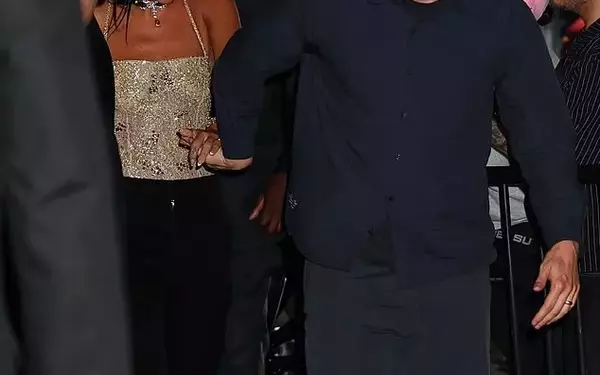
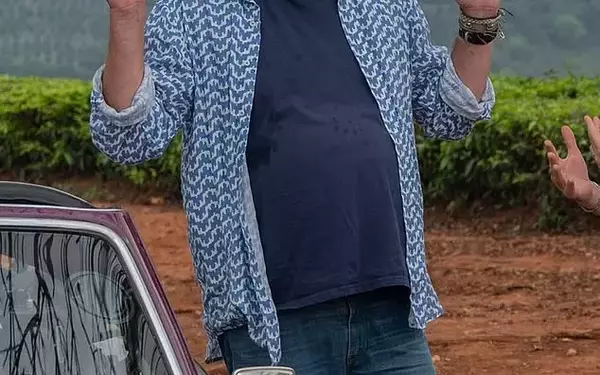
Recent filming sessions for the Beatles biopics have brought the cast into the public eye, revealing moments of both dedication to their roles and unexpected incidents. Barry Keoghan, embodying Ringo Starr, was notably captured making impolite hand gestures while on set, first from within a Commer PB camper conversion and later from a Jaguar E-Type Series 1. In contrast, Paul Mescal, portraying Paul McCartney, maintained a more subdued presence during these public sightings. These moments offer a peek behind the scenes of the ambitious project, which aims to bring the individual stories of the Fab Four to life across four distinct films, all slated for release next year.
The production has not been without its share of drama, including a reported on-set outburst by Keoghan during filming at Stonewall Park. Sources indicated that the actor's frustration led to him discarding his Ringo earrings and temporarily halting production as crew members searched for them. This incident follows a period of retreat from public life for Keoghan, who cited online negativity and false rumors about his personal relationships as reasons for stepping back. The challenges of filming are further compounded by fan debates regarding the physical resemblance of the chosen actors to the legendary band members, adding another layer of scrutiny to the highly anticipated biopics.
Recreating Iconic Moments and Overcoming Production Hurdles
A significant aspect of the Beatles biopics involves meticulously recreating pivotal moments from the band's history, a challenge that has seen the production team go to great lengths to ensure accuracy. A prime example is the recreation of the iconic Abbey Road zebra crossing scene, a photographic masterpiece by Iain Macmillan that defined an era. Despite initial reports of resistance from the Westminster council regarding filming at the actual Abbey Road location, an agreement was reached, allowing for the faithful reproduction of this legendary image. This commitment to detail extends to other elements, such as the inclusion of a replica of John Lennon's distinctive psychedelic Rolls-Royce Phantom V, a car that played a symbolic role in the band's narrative.
Beyond the visual recreations, the biopics also delve into the personal connections that shaped The Beatles' journey, including the crucial role of figures like Mal Evans, portrayed by Daniel Hoffmann-Gill. Evans, initially a bouncer at the Cavern Club, became an indispensable road manager and confidant to the band, present for most of their tours and recording sessions. However, the production has faced various hurdles, including public controversies and internal challenges. Fan criticism concerning the actors' resemblance to the original band members has been a recurring theme, and reports of on-set tensions, such as Keoghan's alleged tantrum, highlight the complexities involved in bringing such a high-profile historical narrative to the screen.