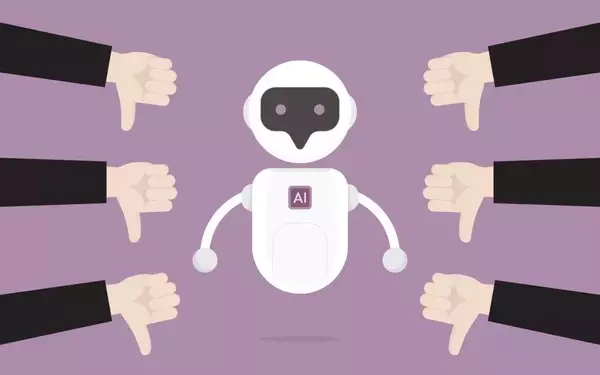
The tech landscape in 2026 has been marked by a significant wave of job reductions, with numerous companies citing the growing influence and integration of artificial intelligence as a primary driver. This trend highlights a pivotal moment where technological advancement is reshaping workforce dynamics, leading to strategic reorganizations and a shift in required skill sets across the industry. While some roles are being eliminated due to AI's capabilities, there's also a concurrent surge in demand for AI-specific expertise.
Details of Recent Tech Workforce Adjustments
In July 2026, Monday.com, a prominent work management software provider based in Tel Aviv, announced a substantial restructuring, leading to the layoff of approximately 600 employees, representing 20% of its workforce. The company formally stated in an SEC filing that this move was part of an "ongoing transformation" aligning with its "AI-driven growth strategy," aiming for a more agile operating model. While co-founder Eran Zinman clarified in a LinkedIn post that these reductions were not merely cost-cutting or AI-driven replacements, he emphasized the company's commitment to an AI-first vision established a year prior. Monday.com anticipates restructuring charges between $45 million and $55 million but projects a robust revenue growth of up to 20% for 2026.
This situation is not isolated. A Financial Times analysis revealed that nearly 140,000 jobs have been cut in the U.S. tech sector since the beginning of 2026. Major players such as Amazon, Oracle, Meta, and Microsoft alone accounted for nearly 50,000 of these layoffs, as they concurrently invest hundreds of billions into AI data center infrastructure. Interestingly, companies that explicitly linked layoffs to AI have seen their stock performance lag behind the Nasdaq by almost 10% in the 30 trading days post-announcement, suggesting market skepticism about these justifications.
Key instances of AI-influenced layoffs across the tech industry in 2026 include:
- Microsoft: On July 9, 2026, Microsoft cut approximately 4,800 roles (2.1% of its global workforce), primarily within its Xbox gaming division. Although the company stated AI wasn't directly replacing these roles, it acknowledged AI's impact on work processes.
- Oracle: By late June 2026, Oracle had reduced its workforce by 21,000 employees over 12 months, a 13% decrease. An annual regulatory filing explicitly cited AI adoption as a factor contributing to these reductions.
- GitLab: On June 3, 2026, GitLab laid off around 350 employees (14% of its staff) to reinvest in AI infrastructure and manage increased traffic from AI workloads.
- Google (Alphabet): Throughout May 2026, Google quietly implemented rolling layoffs across its Cloud division and other areas, involving structural reorganizations and a voluntary buyout program.
- Intuit: On May 20, 2026, Intuit announced plans to eliminate approximately 3,000 jobs (17% of its workforce) to reallocate resources toward AI development and simplify its product structure.
- Meta: Between May 20-21, 2026, Meta laid off about 8,000 employees (10% of its workforce), while repositioning 7,000 others into new AI-focused roles.
- Cisco: On May 14, 2026, Cisco cut nearly 4,000 jobs (5% of its workforce), redirecting investments towards silicon, optics, security, and AI.
- Cloudflare: Around May 7-8, 2026, Cloudflare reduced its workforce by about 1,100 people (20%), with its CEO noting that AI automation impacted middle management and finance roles.
- General Motors: On May 12, 2026, GM eliminated 500 to 600 IT roles, citing AI as one of the factors in its workforce reevaluation.
- Coinbase: On May 5, 2026, the crypto exchange cut about 700 employees (14% of its staff) to increase AI efficiency and streamline its organizational structure.
- PayPal: On May 5, 2026, PayPal announced plans to cut around 20% of its workforce over the next two to three years, driven by a strategy focused on aggressive AI adoption and organizational simplification.
- Snap: On April 16, 2026, Snap cut approximately 1,000 employees (16% of its global workforce), with CEO Evan Spiegel citing AI advancements as a key driver for efficiency.
- IBM: Throughout 2026, IBM saw rolling layoffs, with estimates ranging from 3,000 to 9,000 U.S. positions eliminated. Concurrently, IBM plans to triple entry-level hiring for AI and hybrid-cloud roles.
- Atlassian: On March 11, 2026, Atlassian cut about 1,600 jobs (10% of its workforce) to "rebalance" its focus towards AI and enterprise sales.
- Dell: Dell's workforce decreased by approximately 10% (around 11,000 jobs) in fiscal year 2026, with the company projecting a doubling of its AI-optimized server revenue in fiscal 2027.
- Block: Between February 26-27, 2026, Jack Dorsey's Block cut 4,000 jobs, nearly half its workforce, citing the efficiency gained from AI tools and smaller teams.
- Salesforce: On February 10, 2026, Salesforce laid off fewer than 1,000 employees, primarily in areas where AI agents were beginning to handle support cases, reducing the need for human intervention.
- Amazon: On January 28, 2026, Amazon cut 16,000 corporate jobs, following previous reductions, as part of a strategy to "strengthen our organization by reducing layers, increasing ownership, and removing bureaucracy," with CEO Andy Jassy noting AI's potential to reduce the corporate workforce.
While the overall picture presents job losses, it's not entirely grim. Companies specializing in AI, like Anthropic and OpenAI, are actively recruiting, absorbing some of the talent released by other tech firms. Furthermore, within some of the companies undergoing cuts, there's a strategic internal reallocation of employees into AI-focused roles, demonstrating a transformative shift rather than outright disappearance of jobs.
Reflections on the AI-Driven Workforce Transformation
The recent surge in AI-related layoffs across the tech sector presents a complex narrative. On one hand, it underscores the disruptive power of artificial intelligence, capable of automating tasks and enhancing efficiencies to an extent that necessitates workforce restructuring. Companies are clearly prioritizing investment in AI capabilities, viewing it as a critical component for future growth and competitive advantage. The stated reasons for these layoffs often revolve around optimizing operational models, simplifying organizational structures, and reallocating resources towards AI-centric initiatives. This suggests a strategic pivot rather than a simple response to economic downturns, indicating a profound, technology-driven evolution within these organizations.
However, the skepticism from the market, as evidenced by the underperformance of companies that explicitly cited AI for their layoffs, raises questions about the transparency and genuine motivations behind these decisions. It prompts a critical examination: Is AI truly the primary catalyst for these job cuts, or is it sometimes being leveraged as a convenient justification for broader cost-cutting measures? The fact that many of these companies are reporting strong revenues and profits, even amidst significant layoffs, hints at a deeper strategic repositioning of capital and talent. This transformation, while promising increased efficiency and innovation, also brings the societal challenge of managing displaced workers and ensuring equitable opportunities in an evolving job market.
From a broader perspective, this period marks a significant transition in the labor force. While AI may displace certain jobs, it simultaneously creates new ones, particularly in areas of AI development, deployment, and management. The shift observed in companies like Meta and IBM, where employees are either transitioned into AI roles or new AI-focused positions are being rapidly created, suggests a re-skilling imperative for the existing workforce. This era calls for continuous learning and adaptation, as both individuals and institutions must prepare for a future where human-AI collaboration defines the workplace. The long-term implications will depend on how effectively companies and governments can facilitate this transition, mitigate job displacement, and cultivate the skills necessary for the AI-powered economy.