In an evolving cinematic landscape, AI-driven studios are poised to emerge as significant creators of original intellectual property. This shift, highlighted by VFX expert Hong Jae Cheol at the Busan International Film Festival, underscores a future where artificial intelligence and human ingenuity coalesce to redefine film production. While AI-centric companies might pioneer fresh concepts, established studios will continue to leverage their robust infrastructure, renowned franchises, and extensive distribution networks.
The Fusion of AI and Traditional Filmmaking: Insights from Busan
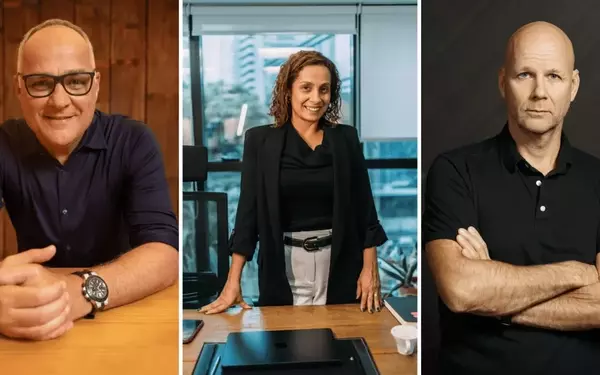
On a Sunday at the InnoAsia AI Creators Camp, hosted within the Busan International Film Festival's Asian Contents & Film Market, Hong Jae Cheol, a distinguished producer-director from Viscode and a former artist at Industrial Light & Magic, articulated a compelling vision for the film industry's future. Having contributed to iconic films like "Iron Man" and "Pirates of the Caribbean," Cheol emphasized a paradigm shift from merely utilizing AI for isolated image generation to integrating it into comprehensive production pipelines. He elaborated on how AI is revolutionizing the filmmaking process, particularly in visual effects. He contrasted the conventional live-action and VFX workflows with an AI-augmented methodology, where AI adeptly creates environments and visual elements, while human VFX artists focus on crucial tasks such as tracking, integration, and finalization. Current applications of AI span various stages, from rotoscoping and cleanup to character design and environment creation. This approach, he suggested, cultivates a symbiotic relationship between artificial intelligence and human creativity, rather than replacing existing studio models.
Echoing this sentiment, Mark Wachholz, the chief creative director of Berlin-based Dreamkite Studios, offered a creative perspective on AI's role. Wachholz, whose AI-generated films have garnered awards, views AI as an invitation for co-creation, encouraging a shift from strict control to exploratory discovery. He stressed that embracing new technologies necessitates adopting novel thought processes, moving beyond simply applying old methods to new tools. Director Ahn Jaehong of Climax Studio further enriched the discussion by illustrating a detailed AI-assisted workflow, beginning with prompts and camera data, progressing through scene context, storyboards, and character sheets, and concluding with keyframe generation. This multifaceted application reinforces the idea that while AI can streamline numerous production stages, the ultimate narrative shaping, visual design, and final artistic direction remain firmly in the hands of human filmmakers. Hong Jae Cheol succinctly summarized this relationship: "AI is merely an instrument; cinema is a narrative." The central theme of the discussion revolved around seamlessly integrating this powerful tool into the filmmaking process, ensuring that human vision and VFX expertise continue to orchestrate the cohesion of its generated elements.
This discourse at Busan offers profound insights into the evolving dynamics of film production. It highlights a future where technological advancements, particularly in AI, serve as catalysts for innovation, enabling smaller, agile studios to carve out niches with original content. Simultaneously, it reaffirms the indispensable role of traditional studios and human artists in maintaining creative integrity, managing complex productions, and connecting with global audiences. The synergy between AI and human talent promises an exciting era of cinematic possibilities, where efficiency meets boundless imagination.