The rapid advancement and widespread adoption of artificial intelligence are creating unprecedented demands on physical infrastructure, transforming what was once primarily a software-centric field into one heavily reliant on tangible assets. This shift presents both significant challenges and lucrative opportunities. Industry leaders recognize that the scalability of AI is inherently tied to the development of robust physical systems, encompassing everything from energy generation and grid connectivity to specialized data centers and advanced cooling technologies.
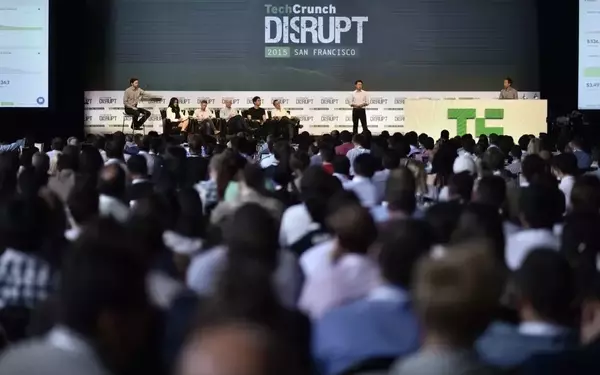
At the upcoming TechCrunch Disrupt 2026 conference, a dedicated session on the Smart Systems Stage will delve into these critical issues. Ben Longmier, CEO of Ambrosia Energy, and Bill Thayer, SVP and Head of Datacenter Solutions at Bloom Energy, are scheduled to lead a discussion titled "Where the AI Infrastructure Boom Is Creating Winners." Their insights will be crucial for understanding how the foundational elements supporting AI are evolving and where the next wave of innovation and investment will emerge.
This discussion will move beyond the common focus on AI models, chips, and applications to explore the underlying infrastructure that enables their operation. The exponential growth in demand for computational power often outpaces the development of necessary power and infrastructure. This creates a unique set of questions: which bottlenecks are temporary, and which will fundamentally alter the market landscape for years to come? When does a constraint transition from being a problem to becoming an entirely new market category? These are the complex questions that will be addressed during the session.
The conversation will provide a comprehensive look at the infrastructure beneath the AI layer, analyzing the pressures it faces and the implications for entrepreneurs, investors, and companies strategizing for future AI expansion. For founders, this means identifying areas beyond conventional AI applications; for investors, it involves recognizing where infrastructure demands can cultivate defensible markets; and for technology executives, it offers a clearer perspective on the physical systems that are increasingly dictating the scale and scope of AI deployment.
The ongoing boom in AI infrastructure is not just about overcoming current limitations but also about uncovering new avenues for growth. By examining the emerging categories and persistent needs within energy, data centers, cooling, and related technologies, the speakers will highlight where capital is most likely to flow and where founders should concentrate their efforts. This forward-looking perspective will offer attendees valuable insights into building sustainable businesses in this rapidly evolving technological ecosystem.
The next significant breakthroughs fueled by AI may not originate from traditional AI companies. Instead, they could emerge from sectors like energy, data center design, advanced cooling solutions, grid technology, electrical equipment, or even entirely new infrastructure software. The common thread uniting these diverse fields is AI's increasing reliance on the physical world, creating an urgent need for innovative solutions. This session promises to be more than just an infrastructure debate; it's an exploration of where future markets will materialize and who is best positioned to lead their development.